PeaceBridge Global
PeaceBridge Global in the field

PeaceBridge Global turns research into action and communities into changemakers

A Message from our Founders

Forty-five years ago, the United Nations General Assembly established the International Day of Peace to coincide with the beginning of the regular session of the General Assembly. A year later, on September 21, 1982, the UN and its member states celebrated the first International Day of Peace. Since then, the world has recognized this day to end hostilities through ceasefires, to shed light on the heroic efforts of frontline activists and peacebuilders in conflict zones, and invite everyday citizens to commit to peace through nonviolence.

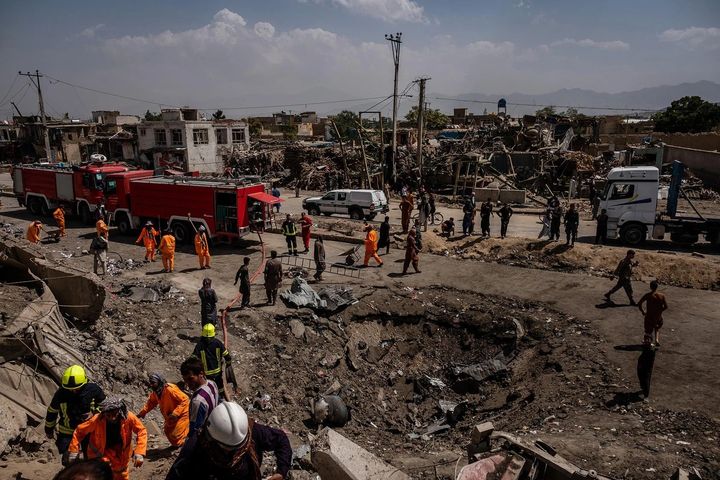
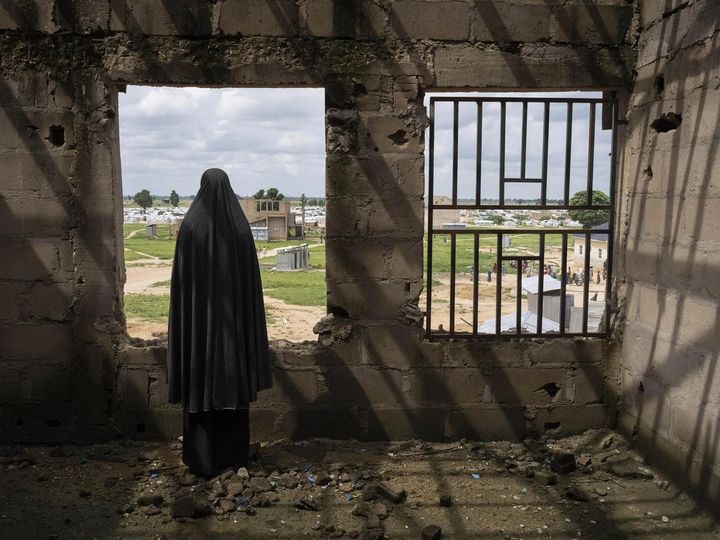
From Afghanistan, Colombia, Ethiopia, Gaza, Myanmar, Sudan, Syria, and Ukraine, the toll of human suffering is overwhelming. The International Committee of the Red Cross (ICRC) estimates that there are nearly 130 conflicts in over 60 countries, a number that has more than doubled since 2009. Twenty of those conflicts have lasted over two decades leaving an entire generation who has never known peace. In the last 20 years, 1.5 million people have died from armed conflict. Today, nearly 200 million people are living in areas affected by conflict or in contested areas controlled by non-state armed actors. 117 million people have been forcibly displaced from their homes.

The way we respond to war, violence, and conflict will be a defining feature of this generation. These realities set against a backdrop of worldwide skepticism toward the multilateral system, stark withdrawal from moral obligations by leaders on the international stage, a significant reduction in funding towards peace and security, and a significant increase in defense spending globally leaves us in a perilous moment for peace in a new world order.

Last year, the U.S. Institute of Peace (USIP), a leading independent organization created by the U.S. Congress in 1984 to demonstrate the United States’s commitment to peace, was dismantled by the Trump Administration. USIP wasn’t the only organization in the broader ecosystem of government and nongovernment actors that felt the immediate impact of Trump’s actions; the whole of USAID and bureaus within the State Department working on conflict stabilization, democracy and human rights were also downgraded or eliminated. Western allies that had been aligned in the pursuit of peace and development, including the UN and other international organizations felt the cascading effects of an abrupt loss of U.S. funding.

We are reminded that peacebuilding is first about improving the lives of millions of people who suffer because of violent conflict. Human rights and humanitarianism recognizes universal values that transcend national and factional interests. Peace is an endeavor that can and must be practiced every day: at home, in school, in our communities, and at work.

We founded PeaceBridge Global to espouse and to practice our commitment to peace, democracy and human rights after losing our jobs at USIP and decades of work. PeaceBridge is a DC-based non-profit organization with a global mission to empower local communities to advance human rights, uphold democracy and the rule of law, and foster inclusive, and peaceful societies in authoritarian or conflict-affected contexts. Building on the lessons we have learned from our work at USIP, with the UN, with international and local NGOs, and working with courageous peace builders in Afghanistan, Colombia, and across Asia and Latin America. PeaceBridge leverages the expertise in policy and practice, knowledge, networks, and tested tools informed by lessons observed from peacebuilding, and social justice efforts worldwide and applies them to new opportunities for peace.

This year, the UN has declared the 2026 International Day of Peace theme: Invest in Peace - For Everyone, Everywhere, Every Day. Here are a few ideas that might spark a conversation on peace and conflict in your community.

Today, we invite you to invest in peace alongside us. Follow our work, lend your voice, and renew your commitment to nonviolence. Peace is built by everyday people, choosing, again and again, to believe it's possible.

We're honored to build it with you.

With hope and resolve,

  • Belquis AhmadiPresident and CEO
  • Scott WordenChief Strategy Officer
  • Maria Antonia MontesChief Finance and Operations Officer
Organization

About us

PeaceBridge Global is a Washington, DC-based non-profit organization with a global mission: to empower local communities to advance human rights, uphold democracy and the rule of law, and foster inclusive, peaceful societies in authoritarian or conflict-affected contexts.

Founded by veterans of the United States Institute of Peace (USIP), PeaceBridge Global leverages the expertise in policy and practice, knowledge, networks, and tested tools that USIP developed over decades, informed by lessons observed from peacebuilding and social justice efforts worldwide. PeaceBridge Global applies these lessons to new opportunities for peace in a world of increasing conflict and geopolitical tensions.

We work at the intersection of grassroots action and policy-level engagement, partnering directly with local activists and bridgebuilders, civil society organizations, and community leaders who are working under some of the most difficult conditions in the world. Rather than imposing external solutions, we start from the premise that lasting peace and democratic resilience are built from within. We believe our role is to strengthen the tools, networks, and strategic capacity that local actors already bring to that work.

Our approach draws on rigorous, field-tested methodologies, including nonviolent civil resistance, participatory action research, and inclusive dialogue processes, adapted to the specific political, cultural, and security realities of each context where we work. We combine this ground-level engagement with senior-level policy relationships, allowing us to connect local insight to the international decision-makers and institutions that shape the environments in which our partners operate.

In a moment of rising authoritarianism and geopolitical instability, PeaceBridge Global exists to ensure that the hard-won knowledge of peacebuilding practice doesn't stay locked in institutions, but reaches the people and movements who need it most.

Organization

Meet Our Executive Team

Belquis Ahmadi

Belquis Ahmadi

Founder, President and CEO

Belquis Ahmadi is a human rights lawyer and senior policy and advocacy professional with nearly three decades of experience working in Washington and in the field, advancing human rights, peacebuilding, rule of law, and democratic governance across Afghanistan, Pakistan, Bangladesh, Indonesia, and Jordan. She has an extensive background in international legal frameworks, gender, accountability, and civil society capacity building.

Read full bioShow less

Ahmadi spent over eleven years at the U.S. Institute of Peace (USIP), leading Afghanistan-focused programs supporting peace education, women's participation in peace processes, civil society strengthening, and justice and accountability initiatives. Working closely with advocacy coalitions and multilateral institutions, including U.S. government and UN bodies, she has advocated for accountability for crimes committed against women and girls, documenting systematic rights violations and advancing international recognition of gender apartheid as a crime under international law.

Ahmadi has managed programs ranging from targeted initiatives to multimillion-dollar projects, overseeing strategy, partnerships, and implementation in challenging political and security environments. A key component of her work has been designing and leading capacity-building initiatives for civil society organizations, human rights advocates, and government officials, strengthening their ability to advance gender mainstreaming, document abuses, and pursue rights-based reforms.

Previously, Ahmadi worked with the International Committee of the Red Cross (ICRC) during the Afghan civil war, contributing to humanitarian response in highly insecure environments, and later supported relief and recovery initiatives with CARE International. Her governance and democratic development work has included engagements with The Asia Foundation, UNDP, and the International Organization for Migration (IOM), supporting free and fair elections, governance reforms, and civic participation.

Ahmadi has produced numerous publications, book chapters, analytical reports, and policy briefs on security, women's rights, governance, peace processes, and countering violent extremism, contributing to international policy discussions on Afghanistan and global debates on gender equality, accountability, and conflict prevention.

Scott Worden

Scott Worden

Founder, Chief Strategy Officer

Scott Worden has over two decades of experience working in Washington and in the field in senior roles with the U.S. government, United Nations, and non-profit organizations concentrating on development and security issues in Central and South Asia. He has an extensive background in reconstruction, development, democracy and governance policy.

Read full bioShow less

Worden is currently a capstone faculty member at Yale’s Jackson School of Global Affairs and a Senior Advisor to Cambridge Global Advisors. Worden recently served as the Director of the Afghanistan and Central Asia Program at the U.S. Institute of Peace (USIP) from 2016 through 2025. In this role, he spearheaded projects on counter-extremism, women’s rights, and building the rule of law, while advising senior U.S. officials, Congress, and international partners on regional policy.

Previously, Worden served as Director of the Lessons Learned Program at the Special Inspector General for Afghanistan Reconstruction (SIGAR), producing independent reports that shaped U.S. reconstruction strategy. Worden was a Senior Policy Advisor at USAID’s Office of Afghanistan and Pakistan Affairs, focusing on civil-military integration to improve governance and stabilization.

Internationally, Worden served as Commissioner of Afghanistan’s Electoral Complaints Commission, adjudicating election disputes during the 2009 presidential elections, and as a Legal Advisor with the UN Assistance Mission in Afghanistan. His work also extended to Cambodia, Ethiopia, and Laos, where he advised on anti-corruption, justice reform, and accountability efforts. He has managed multiple track 1.5 dialogues aimed at increasing regional security cooperation in Central Asia. Before his public service career, Worden practiced corporate law with an international firm in New York.

Worden has published widely on governance and security issues, with commentary in Foreign Affairs, The Washington Post, The Hill, and the Journal of Democracy. He has testified before Congress and is a frequent voice on Afghanistan’s elections, peace process, and governance. Worden was a Luce Scholar and received his BA from Colgate University and a J.D. from Harvard Law School.

Maria Antonia Montes

Maria Antonia Montes

Chief Financial and Operations Officer

Maria Antonia Montes has over 12 years of experience working in Washington and in the field building bridges across U.S. government agencies, international NGOs, philanthropy, academia, and local communities in Latin America, concentrating on peacebuilding, citizen security, and democratic processes. She has an extensive background in nonviolent action, women's inclusion, and youth engagement.

Read full bioShow less

Prior to joining PeaceBridge, she served as Acting Director of the Nonviolent Action Program and was a founding member of the Latin America Center at the U.S. Institute of Peace (USIP), where she worked for a decade across diverse thematic teams. As NVA team lead, she implemented the Synergizing Nonviolent Action and Peacebuilding (SNAP) program with regional partners and frontline activists, training proximate actors in nonviolent collective action, civil resistance, and strategic planning to support democratic transitions in closed civic spaces.

In 2020, Montes founded USIP's Latin America Center, opened a regional office in Bogotá and managed interagency-funded programs critical to implementing the 2016 Colombian peace process with the FARC. These programs included a two-year USAID/Colombia-funded citizen security program across 10 rural municipalities that restored trust with local authorities and strengthened post-conflict governance. She also managed a Participatory Action Research (PAR) program with 20 rural youth leaders on drivers of internal migration in Colombia.

Montes has deep experience advancing women's participation in peace processes, establishing a network of locally-led women mediators in Colombia and co-creating a network of women peacebuilders in Venezuela. In 2017, she helped launch USIP's Generation Change Fellows Program in Latin America, training youth peacebuilders on conflict resolution in Colombia, Venezuela, Bolivia, and Nicaragua.

She has written for USIP's Olive Branch blog, briefed congressional offices and special envoys on Latin America peace and security. She served as an OAS electoral observer in the Western Hemisphere. She was recently selected as an inaugural fellow for the International Geneva Peace Fellowship Programme, through which she will be seconded to the International Federation of the Red Cross (IFRC).

Montes holds a graduate degree in Conflict Studies and Peacebuilding from Pontificia Universidad Javeriana (Bogotá) and a BA in Political Science and Latin American Studies from Wake Forest University.

Organization

Leadership and Governance

PeaceBridge Global is led by its co-founders Belquis Ahmadi, who serves as President and Executive Director, Scott Worden who serves as Strategic Advisor, and Maria Antonia Montes who serves as Chief Financial and Operations Officer. They all serve as Board Members.

Their work is supported by a network of experienced researchers, trainers, legal experts, and subject matter specialists with deep expertise in both regional and thematic areas.

PeaceBridge Global's Board of Directors provides strategic guidance and oversight to help advance the organization's mission and long-term sustainability. Board members meet twice a year to review organizational priorities, provide advice on strategy and program development, strengthen partnerships, support fundraising efforts, and promote the organization's work. Through their expertise and leadership, the Board helps ensure that PeaceBridge Global remains effective, accountable, and responsive to the communities it serves.

Our Board of Directors

Organization

Partners, Donors & Networks

PeaceBridge Global actively seeks partnerships with governments, international organizations, foundations, universities, and civil society organizations to design and implement innovative, locally driven programs that strengthen human rights, promote accountable governance, and contribute to sustainable peace.

We believe that meaningful, long-term change is achieved through collaboration that places local communities and leaders at the center of program design and implementation.

Our Work

Our Approach

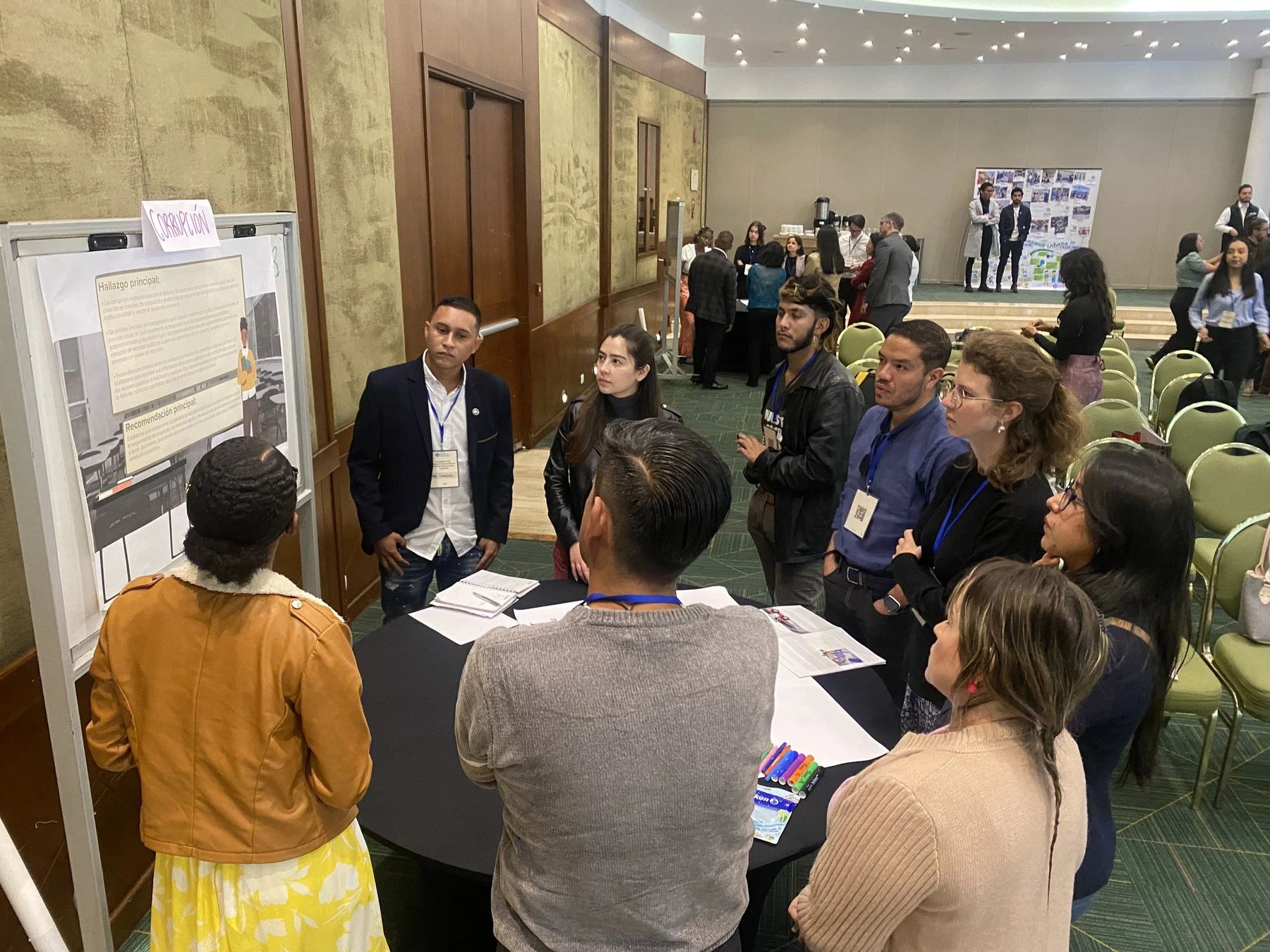
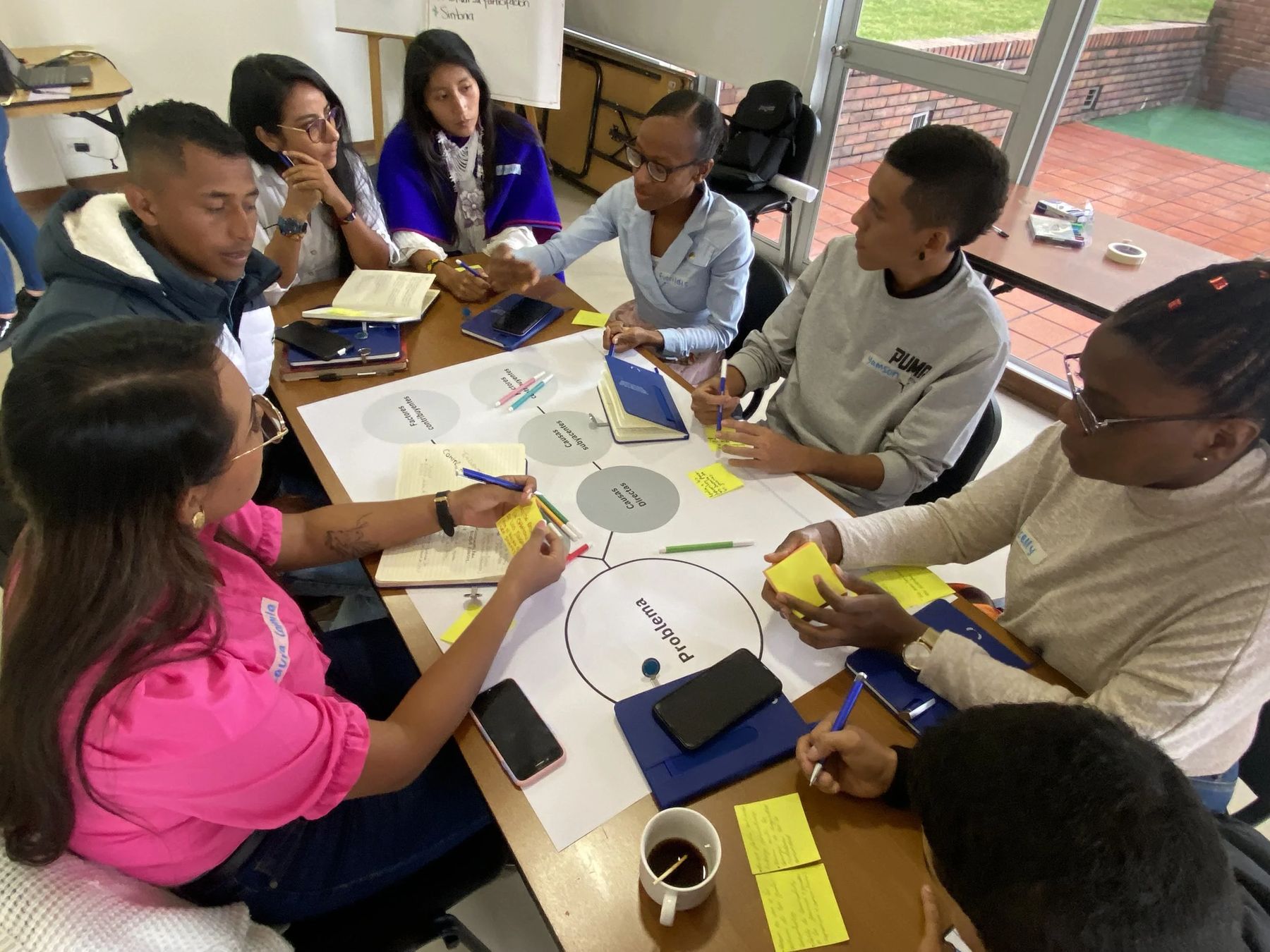
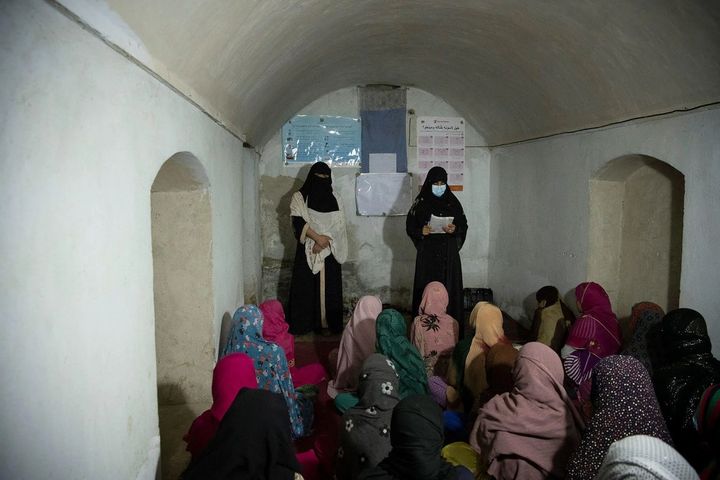
PeaceBridge Global workshop

How We Work

PeaceBridge Global accomplishes its mission through three interconnected modalities: conflict analysis and training, policy engagement and strategic advocacy and dialogue.

Our Work

Our Issue Areas

At PeaceBridge, we believe that lasting peace and resilient democracies are built at the intersection of inclusive process and durable institutions.

Our work spans nine interconnected issue areas, each addressing a distinct dimension of how societies prevent violence, resolve conflict, and build the participatory structures that make democratic governance legitimate and sustainable.

Together, these areas reflect our conviction that peacebuilding is not a single discipline but an ecosystem: dialogue creates the space for trust, mediation and negotiation transform conflict into agreement, collective action and citizen security ground peace in everyday life, and cross-cutting commitments to inclusion, gender, climate, youth ensure that the peace we build is equitable and durable. Upholding human rights and justice underpin the ecosystem.

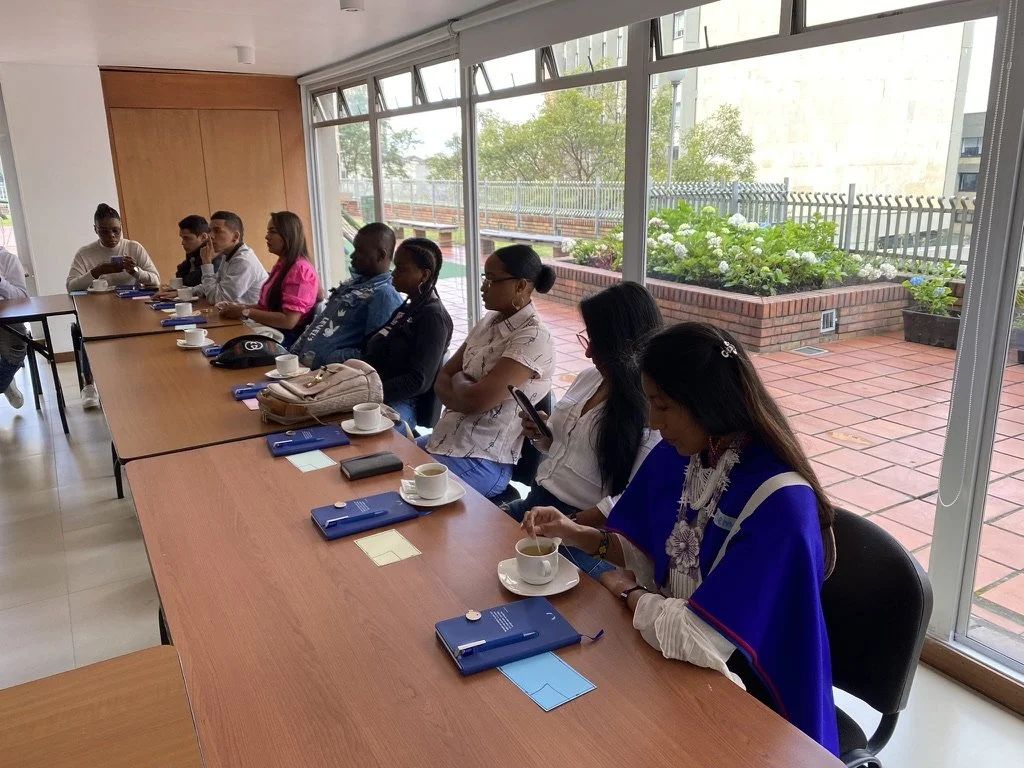
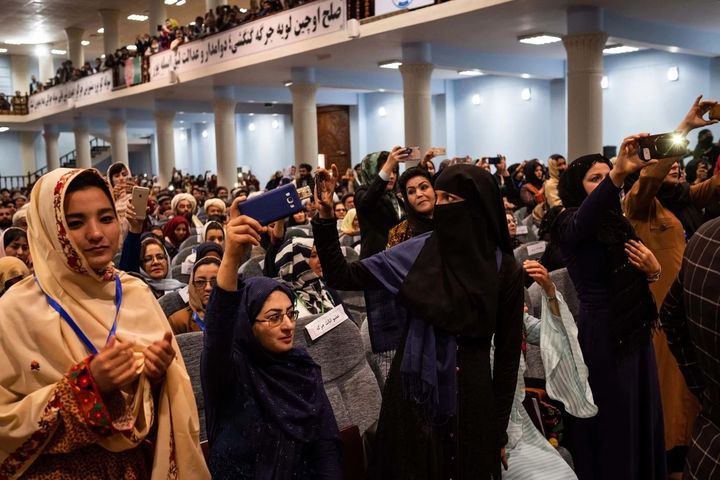
Participants in a PeaceBridge Global dialogue

Our Work

Our Current Projects

Afghan Youth Qualitative Survey

Study

Afghan Youth Qualitative Survey

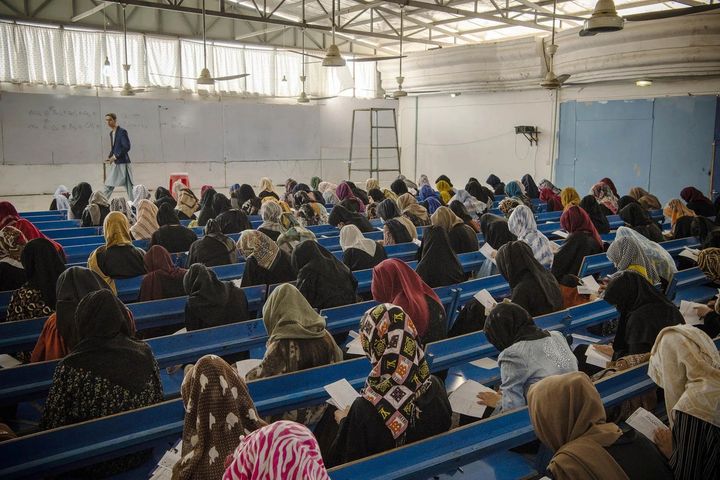
This 2025 report synthesizes responses from Afghan youth about life under Taliban rule, their needs and aspirations, and their ability to shape the future. The Researchers1 conducted individual and focus group interviews with 57 respondents living in 15 provinces who identify with different ethnic groups and genders asking them two sets of structured questions covering governance, rights, agency, representation, security, economy, and personal aspirations.

To learn more about the study, please visit our Library.

Download Study

Our Work

Where We Work

Afghanistan flag

Afghanistan

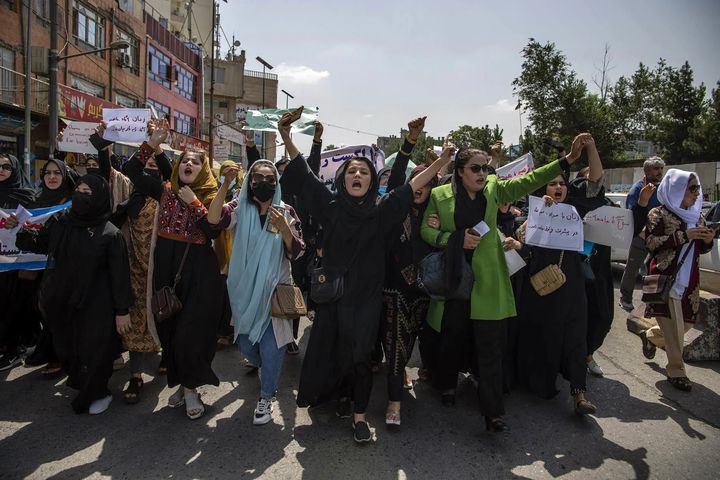
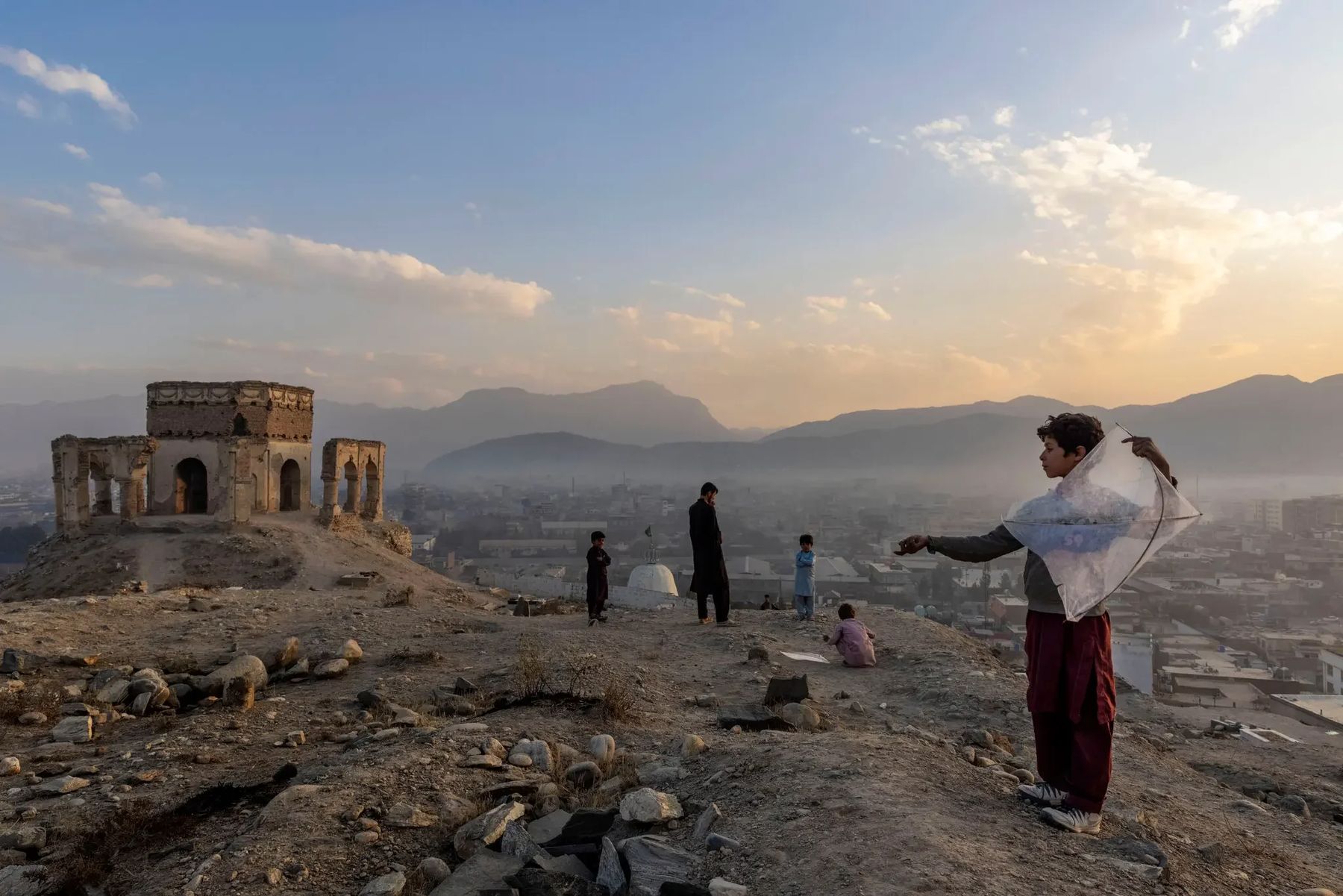
Since the Taliban's return to power, Afghan civil society, women's rights defenders, and community peacebuilders have faced unprecedented restrictions, yet their networks and expertise remain vital to any future peace. PeaceBridge draws on deep institutional knowledge of Afghanistan's peace and reconciliation efforts to support local actors working under extraordinarily difficult conditions, connecting their voices to international policy conversations that too often exclude them. Our approach centers Afghan-led solutions, informed by lessons from over two decades of engagement in the country.

Colombia flag

Colombia

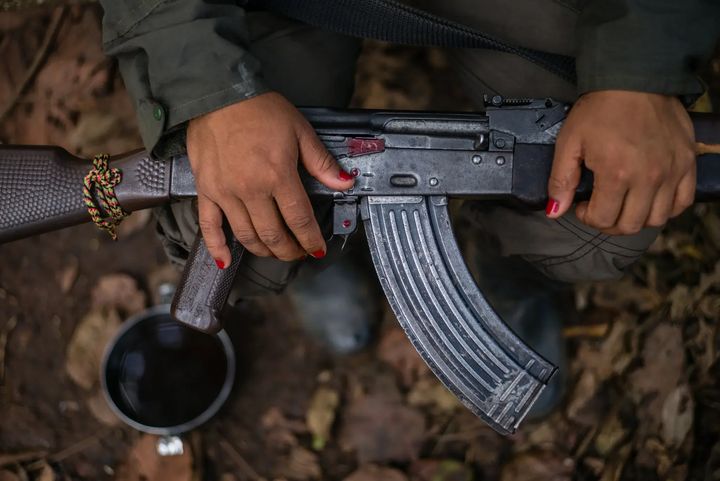
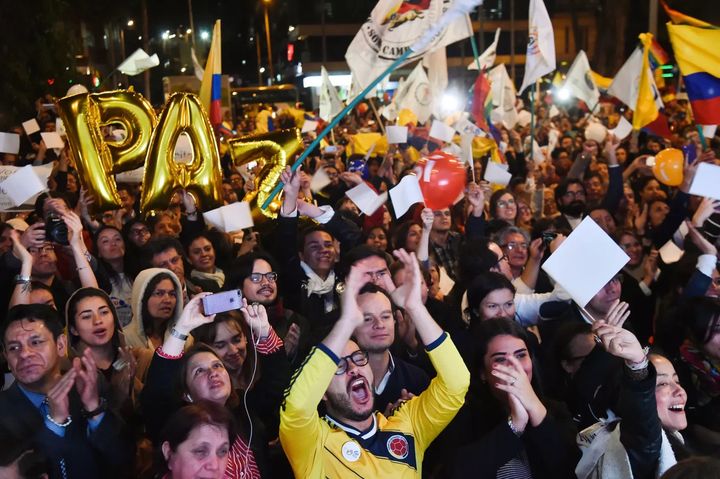
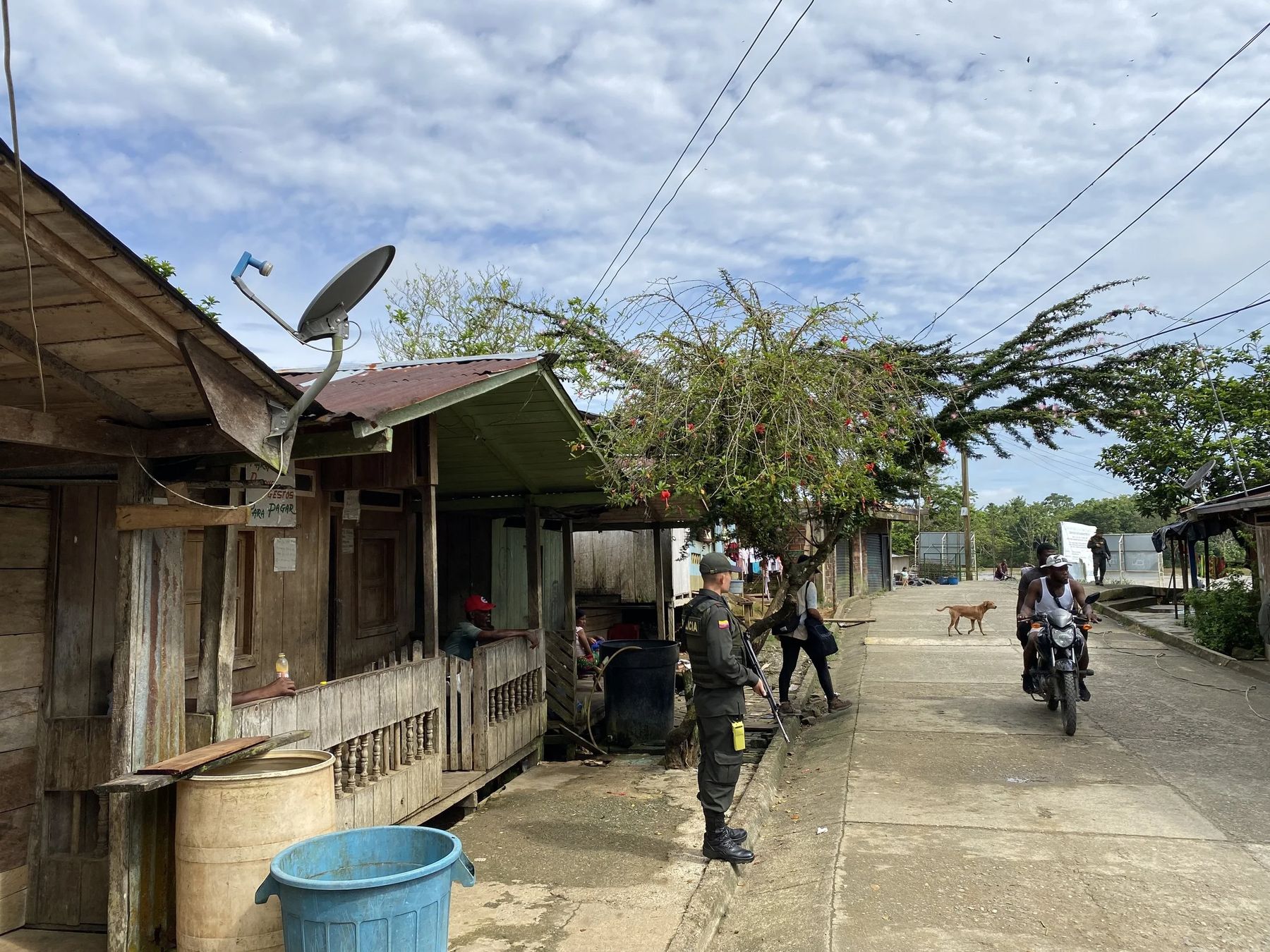
Nearly a decade after its landmark peace accord with the FARC, Colombia continues to navigate the fragile work of accord implementation — from rural reintegration to protecting social leaders and addressing renewed violence in conflict-affected regions. PeaceBridge brings deep, on-the-ground experience in Colombia to support inclusive dialogue, strengthen local peacebuilding capacity, and advance the participation of women and marginalized communities in the accord's implementation.

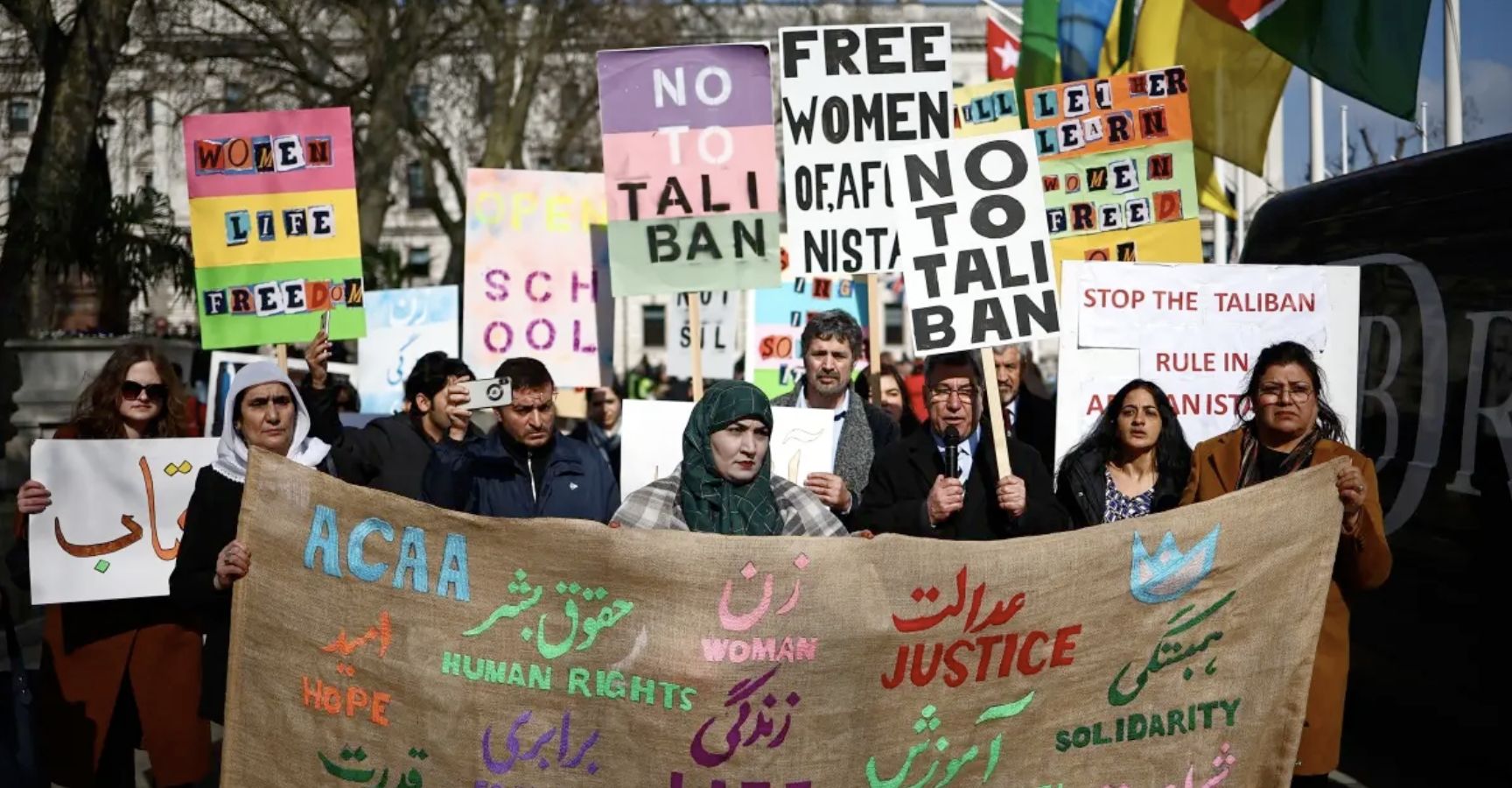
PeaceBridge Global partners in session

Resources

Our Library

PeaceBridge Global’s library serves as a living repository of our thematic expertise, offering reports, commentary and analysis, and practical toolkits across our core issue areas.

Each resource is grounded in field experience and designed to be immediately useful — whether informing a policymaker's next decision, equipping a practitioner with a new methodology, or giving researchers and students an entry point into complex conflict dynamics.

Together, these materials reflect PeaceBridge Global's commitment to bridging rigorous analysis with actionable practice, and stand as a testament to the depth of knowledge our team brings to the field.

Analysis and Commentary

  • Colombia War-Crime Prisoners Face Past, Plan Future

    Colombia War-Crime Prisoners Face Past, Plan Future

    Aubrey Cox Ottenstein and Maria Antonia Montes

    Download PDF
  • Colombia’s Imperfect Peace Could Provide a Roadmap for Afghanistan

    Colombia’s Imperfect Peace Could Provide a Roadmap for Afghanistan

    Belquis Ahmadi and Maria Antonia Montes

    Download PDF
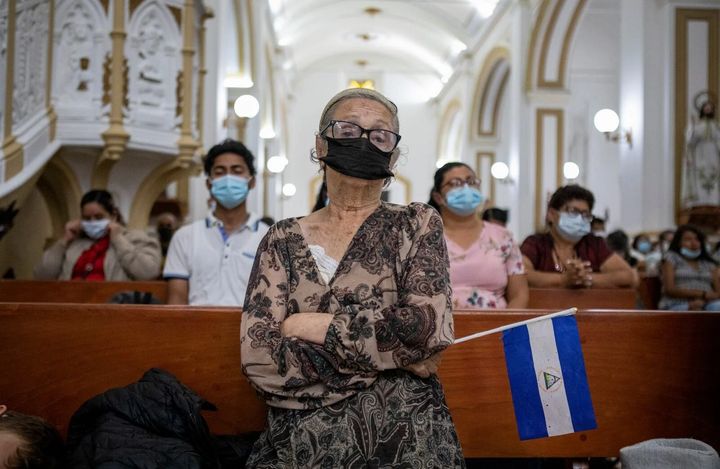
  • Nicaragua Crackdown on Religious Actors Further Imperils Return to Democracy

    Nicaragua Crackdown on Religious Actors Further Imperils Return to Democracy

    Maria Antonia Montes and Savarni Sanka

    Download PDF
  • In Venezuela, Nonviolent Action Is Key to a Negotiated Democratic Transition

    In Venezuela, Nonviolent Action Is Key to a Negotiated Democratic Transition

    Dr. Consuelo Amat, Dr. Matthew Cebul and Maria Antonia Montes

    Download PDF
  • What Role Can Nonviolent Social Movements Play in Peace Talks?

    What Role Can Nonviolent Social Movements Play in Peace Talks?

    Margherita Belgioioso, Ph.D.; Matthew D. Cebul, Ph.D.; Véronique Dudouet, Ph.D.; Maria Antonia Montes; Bryan Sims, Ph.D.

    Download PDF
  • After a Year of Taliban Rule, Advances for Afghan Women and Youth Have All but Evaporated

    After a Year of Taliban Rule, Advances for Afghan Women and Youth Have All but Evaporated

    Belquis Ahmadi; Matthew Parkes

    Download PDF
  • Amid Peace Talks, Afghan Women’s Rights Hang in the Balance

    Amid Peace Talks, Afghan Women’s Rights Hang in the Balance

    Belquis Ahmadi; Pamela Aall

    Download PDF
  • Breaking Down Barriers for Women and Youth in Afghanistan

    Breaking Down Barriers for Women and Youth in Afghanistan

    Belquis Ahmadi; Wagma Yameen Zia

    Download PDF
  • Can the Taliban’s Brazen Assault on Afghan Women Be Stopped?

    Can the Taliban’s Brazen Assault on Afghan Women Be Stopped?

    Belquis Ahmadi; Kate Bateman; Andrew Watkins; Scott Worden

    Download PDF
  • Does the ICC’s Request for Warrants Against the Taliban’s Leaders Matter?

    Does the ICC’s Request for Warrants Against the Taliban’s Leaders Matter?

    Belquis Ahmadi; Lauren Baillie; Scott Worden

    Download PDF
  • Failure to Protect: The Taliban’s Reversal of Violence Against Women Protections

    Failure to Protect: The Taliban’s Reversal of Violence Against Women Protections

    Belquis Ahmadi

    Download PDF
  • Four Ways the U.S. Can Help Prevent Mass Atrocities in Afghanistan

    Four Ways the U.S. Can Help Prevent Mass Atrocities in Afghanistan

    Belquis Ahmadi; Lauren Baillie; Scott Worden

    Download PDF
  • How the Taliban Enables Violence Against Women

    How the Taliban Enables Violence Against Women

    Belquis Ahmadi

    Download PDF
  • How to Support Female Entrepreneurs in Afghanistan

    How to Support Female Entrepreneurs in Afghanistan

    Belquis Ahmadi; Afsana Rahimi

    Download PDF
  • International Day of the Girl Is a Cruel Irony for Daughters in Afghanistan

    International Day of the Girl Is a Cruel Irony for Daughters in Afghanistan

    Belquis Ahmadi

    Download PDF
  • Intolerance of Atrocity Crimes in Ukraine Should Apply to Afghanistan

    Intolerance of Atrocity Crimes in Ukraine Should Apply to Afghanistan

    Belquis Ahmadi; Kate Bateman; Scott Worden

    Download PDF
  • Iran’s Protests ... and the Afghan Sisters Next Door

    Iran’s Protests ... and the Afghan Sisters Next Door

    Belquis Ahmadi; Palwasha L. Kakar

    Download PDF
  • Mental Health and Violent Conflict: A Vicious Cycle

    Mental Health and Violent Conflict: A Vicious Cycle

    Benjamin Oestericher; Manal Taha; Belquis Ahmadi

    Download PDF
  • Taking a Terrible Toll: The Taliban’s Education Ban

    Taking a Terrible Toll: The Taliban’s Education Ban

    Belquis Ahmadi; Hodei Sultan

    Download PDF
  • Taliban Escalate New Abuses Against Afghan Women, Girls

    Taliban Escalate New Abuses Against Afghan Women, Girls

    Belquis Ahmadi

    Download PDF
  • Taliban’s Ban on Girls’ Education in Afghanistan

    Taliban’s Ban on Girls’ Education in Afghanistan

    Belquis Ahmadi; Asma Ebadi

    Download PDF
  • The Challenges Facing Afghans with Disabilities

    The Challenges Facing Afghans with Disabilities

    Belquis Ahmadi

    Download PDF
  • The Taliban Continue to Tighten Their Grip on Afghan Women and Girls

    The Taliban Continue to Tighten Their Grip on Afghan Women and Girls

    Belquis Ahmadi; Scott Worden

    Download PDF
  • Two Years of the Taliban’s ‘Gender Apartheid’ in Afghanistan

    Two Years of the Taliban’s ‘Gender Apartheid’ in Afghanistan

    Belquis Ahmadi; Scott Worden

    Download PDF
  • Want more accountability for the Taliban? Give more money for human rights monitoring

    Want more accountability for the Taliban? Give more money for human rights monitoring

    Belquis Ahmadi; Scott Worden

    Download PDF
  • What an ICC Case on Mali Means for Taliban Crimes Against Women

    What an ICC Case on Mali Means for Taliban Crimes Against Women

    Belquis Ahmadi; Lauren Baillie; Grace Luloff

    Download PDF
  • Where is Afghanistan Three Years into Taliban Rule?

    Where is Afghanistan Three Years into Taliban Rule?

    Belquis Ahmadi; Joyana Richer; Jill Baggerman; William Byrd, Ph.D.; Scott Worden

    Download PDF
  • Afghan Women Step Up in Local, National Taliban Talks

    Afghan Women Step Up in Local, National Taliban Talks

    Belquis Ahmadi

    Download PDF
  • Afghanistan: Is Peace Possible Without Justice?

    Afghanistan: Is Peace Possible Without Justice?

    Belquis Ahmadi

    Download PDF
  • Afghanistan Talks: No Women, No Peace

    Afghanistan Talks: No Women, No Peace

    Belquis Ahmadi

    Download PDF
  • Afghans Want the Right Peace Deal, Not Just an End to Violence

    Afghans Want the Right Peace Deal, Not Just an End to Violence

    Belquis Ahmadi

    Download PDF
  • Afghans Want U.S.-Taliban Talks to Resume, But with New Approach

    Afghans Want U.S.-Taliban Talks to Resume, But with New Approach

    Belquis Ahmadi

    Download PDF
  • Can Blinken’s Letter Jump-start the Afghan Peace Process?

    Can Blinken’s Letter Jump-start the Afghan Peace Process?

    Belquis Ahmadi; Scott Smith; Johnny Walsh; Ambassador Richard Olso

    Download PDF
  • Can India Help Bring Peace to Afghanistan?

    Can India Help Bring Peace to Afghanistan?

    Belquis Ahmadi; Vikram J. Singh

    Download PDF
  • Five Things to Know About the Afghan Peace Talks

    Five Things to Know About the Afghan Peace Talks

    Vikram J. Singh; Scott Smith; Scott Worden; Belquis Ahmadi; Johnny Walsh

    Download PDF
  • For the Afghan Peace Process to Work, Women Must be Involved

    For the Afghan Peace Process to Work, Women Must be Involved

    Belquis Ahmadi; Marjan Nahavandi

    Download PDF
  • Afghan Women Defy Violence and Vote

    Afghan Women Defy Violence and Vote

    Belquis Ahmadi

    Download PDF
  • Afghanistan’s Parliamentary Vote: A Canary in the Presidential Poll Mine

    Afghanistan’s Parliamentary Vote: A Canary in the Presidential Poll Mine

    Scott Worden; Belquis Ahmadi

    Download PDF
  • After Afghanistan Withdrawal: A Return to ‘Warlordism?’

    After Afghanistan Withdrawal: A Return to ‘Warlordism?’

    Barmak Pazhwak; Asma Ebadi; Belquis Ahmadi

    Download PDF
  • Coronavirus Complicates an Already Dire Situation for Afghan Women

    Coronavirus Complicates an Already Dire Situation for Afghan Women

    Belquis Ahmadi

    Download PDF
  • Coronavirus in Afghanistan: An Opportunity to Build Trust with the Taliban?

    Coronavirus in Afghanistan: An Opportunity to Build Trust with the Taliban?

    Belquis Ahmadi; Palwasha L. Kakar

    Download PDF
  • Democracy Is the Afghan Government’s Best Defense Against the Taliban

    Democracy Is the Afghan Government’s Best Defense Against the Taliban

    Scott Worden; Belquis Ahmadi

    Download PDF
  • Kabul School Bombing Reinforces Fears Over Post-Withdrawal Security

    Kabul School Bombing Reinforces Fears Over Post-Withdrawal Security

    Belquis Ahmadi; Fatema Ahmadi

    Download PDF
  • The Taliban’s Attacks on Pluralism Undermine Afghanistan’s Stability

    The Taliban’s Attacks on Pluralism Undermine Afghanistan’s Stability

    Joyana Richer; Belquis Ahmadi

    Download PDF
  • U.N. Conference Highlights Global Unity but Limited Leverage Over the Taliban

    U.N. Conference Highlights Global Unity but Limited Leverage Over the Taliban

    Belquis Ahmadi; Kate Bateman; Andrew Watkins; Scott Worden

    Download PDF
  • U.S. Withdrawal from Afghanistan: End to an Endless War?

    U.S. Withdrawal from Afghanistan: End to an Endless War?

    Belquis Ahmadi; Ambassador Richard Olson; Scott Worden; Johnny Walsh

    Download PDF
  • What Can Make Displaced People More Vulnerable to Extremism?

    What Can Make Displaced People More Vulnerable to Extremism?

    Belquis Ahmadi; Rahmatullah Amiri; Sadaf Lakhani

    Download PDF
  • Will Rising U.S.-Iran Tensions Spark Afghan Proxy War?

    Will Rising U.S.-Iran Tensions Spark Afghan Proxy War?

    Belquis Ahmadi; Barmak Pazhwak; Michael V. Phelan

    Download PDF
  • Women in Extremist Movements: Not Just Passive Victims

    Women in Extremist Movements: Not Just Passive Victims

    Sadaf Lakhani; Belquis Ahmadi

    Download PDF
  • Afghan Youth and Extremists: Why Are Extremists’ Narratives So Appealing?

    Afghan Youth and Extremists: Why Are Extremists’ Narratives So Appealing?

    Belquis Ahmadi

    Download PDF
  • Measuring Peace and Violent Extremism: Voices from the Afghan Village

    Measuring Peace and Violent Extremism: Voices from the Afghan Village

    Belquis Ahmadi; Eliza Urwin

    Download PDF
  • Redefining Masculinity in Afghanistan

    Redefining Masculinity in Afghanistan

    Belquis Ahmadi; Rafiullah Stanikzai

    Download PDF
  • The Forced Return of Afghan Refugees and Implications for Stability

    The Forced Return of Afghan Refugees and Implications for Stability

    Belquis Ahmadi; Sadaf Lakhani

    Download PDF

Special Reports

  • The Afghan Youth Qualitative Report

    The Afghan Youth Qualitative Report

    Belquis Ahmadi, Scott Worden, and Muzhgan Yarmohammadi

    This report synthesizes responses from Afghan youth about life under Taliban rule, their needs and aspirations, and their ability to shape the future. The Researchers1 conducted individual and focus group interviews with 57 respondents living in 15 provinces who identify with different ethnic groups and genders asking them two sets of structured questions covering governance, rights, agency, representation, security, economy, and personal aspirations.

    Download PDF
  • Political Stability in Afghanistan: A 2020 Vision and Roadmap

    Political Stability in Afghanistan: A 2020 Vision and Roadmap

    Alex Thier and Scott Worden

    This Special Report examines Afghanistan’s potential political roadmap through 2020, from the operation of the current National Unity Government agreement to parliamentary, district, and presidential elections and proposals for constitutional amendment. As the US government, its partners, and NATO consider a revised military strategy, it is essential to recognize that politics has been, and remains, at the center of the Afghan conflict.

    Download PDF

Toolkits

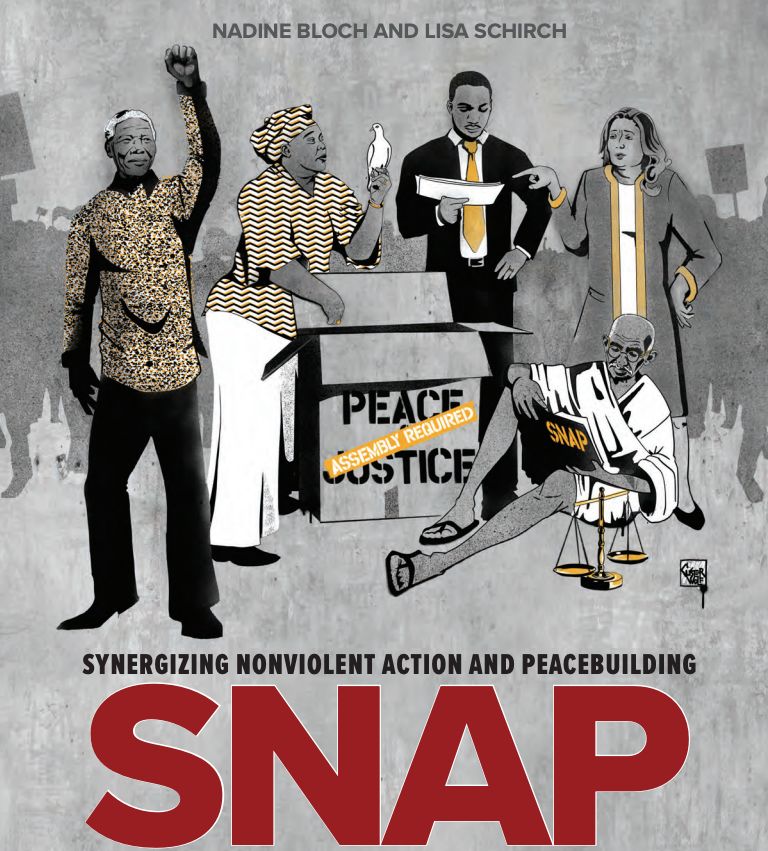
  • Synergizing Nonviolent Action and Peacebuilding

    Synergizing Nonviolent Action and Peacebuilding

    This action guide seeks to build bridges between peacebuilding and nonviolent action practitioners so that methods are used strategically and effectively on the path toward conflict transformation. It shows how dialogue, direct-action skills, and approaches can be synergized to advance justice and sustainable peace. This guide is for trainers, facilitators, and other practitioners serving the many organizers, activists, mediators, negotiators, and peacebuilders who want to learn more about how to integrate nonviolent action and peacebuilding strategies in their work.

    Download PDF

News

Blog

← Blog

A Message from our Founders

PeaceBridge Global · 5/28/19

Forty-five years ago, the United Nations General Assembly established the International Day of Peace to coincide with the beginning of the regular session of the General Assembly. A year later, on September 21, 1982, the UN and its member states celebrated the first International Day of Peace. Since then, the world has recognized this day to end hostilities through ceasefires, to shed light on the heroic efforts of frontline activists and peacebuilders in conflict zones, and invite everyday citizens to commit to peace through nonviolence.

From Afghanistan, Colombia, Ethiopia, Gaza, Myanmar, Sudan, Syria, and Ukraine, the toll of human suffering is overwhelming. The International Committee of the Red Cross (ICRC) estimates that there are nearly 130 conflicts in over 60 countries, a number that has more than doubled since 2009. Twenty of those conflicts have lasted over two decades leaving an entire generation who has never known peace. In the last 20 years, 1.5 million people have died from armed conflict. Today, nearly 200 million people are living in areas affected by conflict or in contested areas controlled by non-state armed actors. 117 million people have been forcibly displaced from their homes.

The way we respond to war, violence, and conflict will be a defining feature of this generation. These realities set against a backdrop of worldwide skepticism toward the multilateral system, stark withdrawal from moral obligations by leaders on the international stage, a significant reduction in funding towards peace and security, and a significant increase in defense spending globally leaves us in a perilous moment for peace in a new world order.

Last year, the U.S. Institute of Peace (USIP), a leading independent organization created by the U.S. Congress in 1984 to demonstrate the United States’s commitment to peace, was dismantled by the Trump Administration. USIP wasn’t the only organization in the broader ecosystem of government and nongovernment actors that felt the immediate impact of Trump’s actions; the whole of USAID and bureaus within the State Department working on conflict stabilization, democracy and human rights were also downgraded or eliminated. Western allies that had been aligned in the pursuit of peace and development, including the UN and other international organizations felt the cascading effects of an abrupt loss of U.S. funding.

We are reminded that peacebuilding is first about improving the lives of millions of people who suffer because of violent conflict. Human rights and humanitarianism recognizes universal values that transcend national and factional interests. Peace is an endeavor that can and must be practiced every day: at home, in school, in our communities, and at work.

We founded PeaceBridge Global to espouse and to practice our commitment to peace, democracy and human rights after losing our jobs at USIP and decades of work. PeaceBridge is a DC-based non-profit organization with a global mission to empower local communities to advance human rights, uphold democracy and the rule of law, and foster inclusive, and peaceful societies in authoritarian or conflict-affected contexts. Building on the lessons we have learned from our work at USIP, with the UN, with international and local NGOs, and working with courageous peace builders in Afghanistan, Colombia, and across Asia and Latin America. PeaceBridge leverages the expertise in policy and practice, knowledge, networks, and tested tools informed by lessons observed from peacebuilding, and social justice efforts worldwide and applies them to new opportunities for peace.

This year, the UN has declared the 2026 International Day of Peace theme: Invest in Peace - For Everyone, Everywhere, Every Day. Here are a few ideas that might spark a conversation on peace and conflict in your community.

Today, we invite you to invest in peace alongside us. Follow our work, lend your voice, and renew your commitment to nonviolence. Peace is built by everyday people, choosing, again and again, to believe it's possible.

We're honored to build it with you.

With hope and resolve,

  • Belquis AhmadiPresident and CEO
  • Scott WordenChief Strategy Officer
  • Maria Antonia MontesChief Finance and Operations Officer

Get in touch

Contact us!

If you're interested in partnering with us or learning more about our work, we would love to hear from you! Submit the online form below and we will be in touch as soon as we can.

Name (required)

Tracker · August 2021 – August 2026
List of the Taliban's Edicts, Orders, and Directives Infringing on the Rights of Women and Men

A month-by-month record since August 2021. Each linked word opens the original report or source.
265Entries
61Months tracked
6Years

2021

23 entries · 5 months

August 2021

  1. Ordered imams to bring them lists of unmarried women aged 12 to 45 for their fighters to marry.

  2. Ministry of Higher Education issued a letter to private universities reassuring them of Taliban’s commitment to education for male and female citizens. Source: Copy of the letter.

  3. Announced amnesty for opposition and former pro-republic officials and urge women to join Taliban’s government. The announcement was made by a member of Taliban’s cultural commission.

  4. Invited women to join government.

  5. Declared the Islamic Emirate of Afghanistan as form of government.

  6. Carried out house to house search looking for journalists and individuals with ties to the republic and Western forces.

  7. Ordered women to stay indoors at home because soldiers are not trained to respect women.

  8. Declared ban on co-education and prohibited men from teaching girls.

September 2021

  1. Announced a caretaker government.

  2. Banned protests and slogans that don’t have prior approval from Taliban.

  3. Banned girls from secondary education.

  4. Replaced Ministry of Women’s Affairs with Ministry of Propagation of Virtue and Prevention of Vice.

  5. Ordered professional/working women to stay home until further notice.

  6. Taliban Indicated they might temporarily implement the 1964 Constitution.

  7. Women banned from attending and teaching at Kabul University.

October 2021

No decree or specific order concerning women was tracked during this month.

November 2021

  1. Banned women from television dramas.

  2. Dismantled the Afghan Independent Bar Association.

  3. Ordered followers of non-Islam religious to follow the Sharia orders and the Hanafi jurisprudence in performing their religious rituals and that senior government employees must be follower of Imam Abu Hanifa. Source: Copy of the order.

December 2021

  1. Haibatullah Akhundzada issued a decree about women’s rights, outlined the importance of women’s consent during Nikah, that a woman is not property, but a noble and free human being. Source: Copy of the decree.

  2. Banned women from travelling long-distance (72 km/45 miles) road trips without a mahram.

  3. Banned drivers from playing music in cars and having women passengers without hijab.

  4. Dissolved election commission, ministry of peace and ministry of parliamentary affairs.

  5. Closed public baths for women in Balkh.

2022

55 entries · 12 months

January 2022

  1. Closed public baths for women in Balkh.

  2. Ordered coffee shop owners in Herat not to serve women if they are not accompanied by a mahram.

February 2022

  1. Ordered NGOs to replace board members and those in leadership positions with Afghans living inside Afghanistan. Source: Copy of the order.

  2. Ordered universities to enforce gender segregated classrooms.

  3. Banned women from traveling abroad without a mahram and without a legitimate reason.

March 2022

  1. Banned women from entering health centers without a mahram.

  2. Ordered enforcement of segregation of women and men’s offices.

  3. Announced the reopening of girls’ schools at the start of 1401 (March 2022) school year.

  4. Banned foreign TV series.

  5. Announced schools for girls’ grade 7 and up will remain close.

  6. By the verbal order of Haibatullah, women are forbidden from work in offices. The order states women must not leave their home. Source: Copy of the letter.

  7. Canceled the Nowroz public holiday.

  8. Banned women from traveling abroad without a mahram and without a legitimate reason.

  9. Ordered male civil servants to grow beard or risk being fired.

  10. By verbal instruction of Haibatullah, women must not be employed in offices and must not leave home. The order was issued by the ministry of interior and signed by Qari Ihsanullah Sohail, Chief of staff of deputy for security affairs. Source: Copy of the edict.

April 2022

  1. Dictated different days for men and women to visit parks.

  2. Banned TikTok and PUBG insisting they were leading Afghan youths astray.

  3. Announced three days of week for female and three days for male university students.

  4. Noorullah Munir, the Taliban’s acting minister of education declared intention to establish as many as 10 new madrasas in every district.

May 2022

  1. Stopped issuing driving license to women.

  2. Issued order that women are not allowed to use public transport if they are alone.

  3. Issued recommendation and implementation plan regarding proper hijab, stating the best hijab is for women to wear a burqa or stay home.

  4. Dissolved the Afghan Independent Human Rights Commission.

  5. Ordered female TV presenters on air to cover their faces.

  6. Issued order that women are not allowed to use public transport if they are alone.

June 2022

  1. Ordered female students in Ghazni in grades 4-6 to cover their faces while commuting to school or face expulsion.

July 2022

  1. Directedwomen employees of the ministry of finance to send a male relative to take their jobs if they want to be paid their salaries.

August 2022

  1. Removed Ashura as a religious public holiday.

  2. August 10 Female flight attends are removed from their jobs.

  3. Made attending religious classes mandatory in universities, adding five new religious subjects to the existing eight.

  4. Established female moral police department.

  5. Statement issued an order banning women from going to parks where parks authorities cannot ensure segregation between and women.

  6. Ordered female university students to cover their faces in classrooms.

September 2022

  1. Made attending daily religious classes (offered by the Vice and Virtue agents) mandatory in all government offices. To keep their jobs, they must pass a test.

  2. Closed secondary and high schools for girls that had briefly opened in Paktia.

  3. Prohibited the hiring of former government’s employees of Hajj and Religious Affairs, Supreme Court and Ministry of Education and ordered their termination. Source: Copy of the order.

  4. Banned female students from taking videos and photos on university campus.

  5. Ordered media outlets that female TV guests must cover face.

October 2022

  1. Expelled hundreds of pubescent female students in Kandahar.

  2. Blocked women from choosing agriculture, mining, civil engineering, veterinary, and journalism as their study major. Taliban said these subjects are too difficult for women.

  3. Ordered removal of non-Islamic policies in ministries.

  4. Ordered male teachers and students to sign pledge to observe Sharia, in Kandahar.

  5. Removed women’s seat from Commission of Media Violations.

November 2022

  1. The department of finance in Balkh issued a letter instructing the education department to deduct 18,000 from Dalwa and Hot salaries. Source: Copy of the letter.

  2. Taliban Closed public baths for women in Badghis.

  3. Taliban Banned women and girls from parks and gyms.

  4. Taliban Supreme Leader reinstate Hudud and Qisas punishments in cases such as robbery, kidnapping and sedition.

  5. Ministry of Haj of Taliban ordered mosques to praise Taliban Supreme Leader and refer to him as “Amir” in Friday prayers.

December 2022

  1. Ministry of Vice and Virtue issued a letter to the Ministry of Interior Affairs to improve oversight on production firms that produces tarana (songs without music) to ensure they are in line with Islamic values. Source: Copy of the order.

  2. Taliban banned female students from public and private universities until further notice.

  3. Taliban Ministry of Education banned girls beyond grade 6 from attending private courses.

  4. The department of education in Kandahar informed teachers and students that wearing necktie is banned as it is against Sharia. Source: Copy of the letter.

  5. Ministry of Higher Education issued a letter clarifying that only higher education for girls is suspended and madrasas education is not. Source: Copy of the letter.

  6. Taliban banned female staff working for I/NGOs.

  7. Taliban banned women-run bakeries in Kabul.

2023

82 entries · 12 months

January 2023

  1. A letter issued by the Finance department of Balkh province instructed the education department to deduct 18,000 Afs from teachers’ salaries paid by UNICEF and transfer the amount to the government’s revenue account.

  2. Kabul Education University suspended salaries of two of its professors that resigned to protest the university ban for the female students. Source: Copy of the letter.

  3. Taliban’s Herat Department of Promotion of Virtue and Prevention of Vice issued a letter banning women from visiting historic places. Source: Copy of the letter.

  4. The AGO’s department of guidance and Islamic invitation administered a one hour written test assessing religious knowledge of AGO staff. Source: Copy of the test questions. Note: Employees are required to attend a 2–4-hour daily lecture and training on Islamic teaching.

  5. Taliban instructed travel agencies not to sell tickets to women without mahram.

  6. Taliban instructed poets not to compose musical proses.

  7. Taliban closed blind girls' schools in Nangarhar and Kunar.

  8. Taliban appointed the leadership members of Ulema Council of Kabul from among its members.

  9. Taliban instructed elders in Panjshir to hand over list of those that worked in the intelligence agency of the republic and those who worked with the foreign agencies.

  10. Taliban intelligence instructed Kabul province governor to arrest 13 members of former armed forces officers.

  11. The ministry of higher education in a letter to institutions of higher education ordered the exclusion of females from university entry exam. Source: Copy of the letter.

  12. Supreme Court issued a letter to Southwest Intelligence and police citing a report from an independent judicial monitoring committee that had expressed concern about torture of detainees in inmates. Threatening the abusers with dismissal and severe punishment. Source: Copy of the letter.

  13. January 25, ministry of vice and virtue issued a letter to MoPH summarizing the findings of the vice and virtue’s monitoring report, expressing concern that only 5% of health workers have complied with the hijab and physical appearance [beard] requirement. Source: Copy of the letter.

  14. Ministry of higher education in a letter to Kabul University, instructed female lecturers to sign their time sheets on the last Thursday of the month in a designated location in the north entrance of the campus. Source: Copy of the letter.

  15. On January 25, the Taliban verbally informed pharmacies that selling of contraceptives is haram and Islam and therefore, pharmacies must refrain from selling them.

February 2023

  1. Taliban instructed hospitals in Kabul that their medical staff must wear black hijab (Arabic long gown) and mask at all times.

  2. Taliban verbally instructed female government medical staff to be accompanied by a mahram while going to their offices in Kandahar.

  3. Taliban closed a Karat-e club in Farah province. It operated in spite of the earlier ban on female sports clubs.

  4. The district governor of Nasi district of Badakhshan issued a letter prohibiting the inter Suni/Shia marriage. Source: Copy of the letter.

  5. Taliban closed four medical centers run by female doctors in Ghazni because male patients were treated by female doctors.

  6. Tribal elders banned woman from taking a mehria for her marriage. Taliban have banned bride price (toyana) across the country. Mehria is a woman’s right under Islamic rules.

  7. Taliban removed the students and closed a few private education centers because of having female students.

March 2023

  1. Taliban invalidated thousands of divorce cases that were decided during the republic.

  2. Taliban instructed institutes of higher education to only admit male students in the forthcoming academic year (academic year started on March 22).

  3. Taliban announced gender segregated visit to shrines in Herat.

  4. Taliban banned issuing transcripts and certificates for female university graduates.

  5. Small businesses council of Parwan issued a circular to its members that operate beauty salons and instructed them to require their clients to “take an ablution” before they initiate a service. Source: Copy of the decree.

  6. Taliban ordered restaurants in Takhar not to serve women without mahram.

  7. Taliban’s Hajj and Religious Affairs ministry declared the celebration of Nowroz as an act against sharia. The ministry instructed mullah imams of mosques throughout the country to inform the public to refrain from celebrating Nowroz, Christmas, Birthdays, Lovers’ Day [Valentine’s Day], Women’s Day and April Fools Day, as these are significant days for Kafirs (infidels). Source: Copy of the directive.

  8. The Emir issued a decree barring officials from hiring relatives in government positions.

  9. In Balkh province, the Taliban have segregated banking services based on gender. .

  10. The Emir issued a verbal decree re-tasking the Attorney General's Office as the “General Directorate for Monitoring and Follow-up of Decrees and Directives.”

  11. Taliban’s Emir issued an order to courts to re-examine and invalidate legal cases that had been settled by the republic courts and did not comply with Sharia.

  12. On March 31, the Taliban’s ministry of education issued an eight-page directive specifying the school uniform for girls and boys. The directive is said to be based on Article 41 of the law of education. Source: Copy of the directive.

April 2023

  1. The Taliban prevented female Afghan staff of the UN from reporting to work.

  2. April 5, the Taliban’s MPVPV issued an edict banning women from going to restaurants in Herat. Previously they had issued an edict on May 12, 2022 instructing restaurant owners to segregate male and female diners. Source: Copy of the edict.

  3. The ‘girls’ schools committee’ (headed by Sheikh Mohammad Ayoub Ansari) provided Mullah Haibatullah with lists of proposed school subjects for girls and boys from grade 1 to 12. According to the committee’s recommendation, girls and boys, grades 1-4 will share the same curriculum, but above that girls will be taught special subjects that simply modern and scientific subjects. At the same time girls and boys will receive more intensive religious education. The main religious subjects for girls will focus on recitation of the Quran, ethics, hadith, history of Islam, the prophet’s life, Arabic language, rights of spouse, and children and unacceptable traditions and customs). Source: Copy of the report.

  4. The Taliban ordered the Shia community in Balkh to celebrate Eid on the day the Taliban’s Supreme Court declared Eid rather than following the announcement from Iran’s religious authority to declare Eid a day later, which Shia traditionally follow.

May 2023

  1. On May 4, in a recorded voice message, the head of the Promotion of Virtue and Prevention of Vice in Kandahar, Mawlawi Abdulhai Omar verbally ordered all the provincial departments to ban girls and women from going to health centers and cemeteries. In his message, Mawlawi Omar claims that “women/girls wear makeup when they go to these places and pretend they are ill. “Anyone whose daughter or sister is like this, if she has a brother, arrest her brother. If she has a father, punish her father and punish him for not correcting her daughter.” Source: audio clip

  2. Taliban banned young women (usually not married) from going to health centers and shrines in Kandahar province.

  3. Taliban warned education directorate staff and teachers of Khost to choose between termination and keeping a long beard. Copy of the letter.

  4. Taliban officials verbally directed media outlets not to produce contents about women hygiene issues.

  5. Taliban banned “hena bandan” a type of pre-wedding ceremonies in Kandahar province.

  6. Taliban and local elders imposed ceilings of women and widows dowry in Parwan province.

  7. Taliban instructed health workers not to carry smart phones while on duty in Helmand province. Copy of the letter.

June 2023

  1. The Taliban Ministry of Higher Education issued a directive to Kabul University ordering lecturers to avoid the use of certain Dari words in their research and to use the full title of “national and religious” figures.

  2. Banned foreign NGOs from providing educational programs including Community-Based Education. According to UNICEF, it will impact half a million students, specifically 300 thousand girls.

  3. Banned grooms from joining his bride in the wedding saloons, The ban extended to filming of wedding ceremonies, serving food at the time of prayer, and having dress changing rooms for women in the wedding halls.

  4. The General Directorate of jihadi madrasas under the Ministry of Education announced that construction work on jihadi madrasas is currently underway.

  5. Banned women from participating in radio and TV shows where the presenters are men.

  6. Instructed beauty salons to have a facility for its clients to perform a religious ablution before putting on makeup.

  7. Taliban Ministry of Higher Education is reported to have allowed female university students to defend their monographs and attend exams of final semester online. The rest of the semesters and education affairs of female university students are suspended until further notice.

  8. Banned all women beauty parlors across the country.

July 2023

  1. Taliban’s Ministry of Education issued a circular to local and international NGOs stating that according to NGOs law all NGOs are required to open a bank account for each project and that NGOs are not allowed to have more than one project linked to the same bank account. Source: Copy of the letter.

  2. Taliban’s Ministry of Propagation of Virtue and Prevention of Vice announced the ban on beauty salons [all run by women for women] because services provided by the salons were forbidden by Islam. Owners of beauty salons were given one month notice to wind down their businesses. Source: Copy of the letter.

  3. Taliban’s Directorate of Preaching & Propagation of the Ministry of Foreign Affairs in a letter to its representatives in provinces and overseas instructed them to perform daily prayers collectively and to adjust their appearance according to Shariah and the Prophet’s sunnah. Source: Copy of the letter.

  4. Taliban suspended activities of the Swedish Committee for Afghanistan following the desecration of the Quran in a protest in Stockholm on June 28. Context: On June 28, in a rally in Medborgarplatsen Square in Central Stockholdm an Iraqi migrant, Salwan Momika he tore some pages of the Quran and set it on fire.

  5. The International Relations Department of the Ministry of Public Health of Taliban issued a letter ordering a full ban on the activities of Premiere Urgence-Aide Medical International (PU-AMI), a French health organization. MoPH did not give a reason for the decision. Source: Copy of the letter.

  6. Taliban abolished the Attorney General’s Office (AGO). The new institution established to replace AGO is called, Directorate of Supervision and Prosecution of Decrees and Orders which no longer investigates or prosecutes cases directly. That function is taken over by the court and police. Source: Copy of the decree.

August 2023

  1. Taliban Minister of Vice and Virtue during his visit to Bamyan announced that women are henceforth not allowed to enter Band-e Amir national park.

  2. The Provincial Governor for Uruzgan ordered NGOs to stop hiring and paying salaries to women who work from home; he threatened arrest and prosecution for those who disobey the directive. Source: Audio recording of the order

September 2023

  1. A circular issued by the Supreme Court outlined the difference between kidnapping of a woman vs. a woman running away from home. Source: Copy of the circular.

  2. The Taliban’s Ministry of Commerce and Industries suspended the organization of trade exposition events until further notice. Source: Copy of the letter.

  3. Officials from the Department of Vice and Virtue have issued verbal warnings to clothing store owners in Bamyan to refrain from selling glamorous/party dresses to women. This directive has been reiterated in local mosques as well. Source: Contacts on the ground. Also reported by online media.

  4. In Helmand, the Department of Information and Culture, through mullahs in mosques, has instructed media outlets not to feature women in their programs without prior approval from the department. Additionally, the department has warned women against using social media platforms such as Facebook, TikTok, X (formerly known as Twitter) and other similar tools. These messages were delivered through mosques on behalf of the governor and the department. Source: Contacts on the ground.

  5. In Uruzgan, the governor issued an audio-recorded message banning women from working remotely with Non-Governmental Organizations (NGOs). Source: Contacts on the ground and copy of the audio message.

October 2023

  1. The Taliban religious police instructed media outlets in Kunduz province to submit drafts of their content for review and approval prior to publication.

  2. The Taliban, in Faryab, prohibited private videography/photography firms from hiring female employees to work at wedding ceremonies. Source: Contacts on the ground.

  3. The Kandahar religious police conveyed through a letter to elementary schools and women's madrasas that, moving forward, the only accepted form of hijab is the burqa. Source: Contacts on the ground.

  4. The Taliban’s Ministry of Economy has instructed NGOs in Kabul that women are not permitted to hold the position of director within an NGO. Source: Contacts on the ground.

  5. An official letter from the Taliban to government offices, educational centers, and hospitals in Helmand and Paktia announced a ban on the use of smartphones. The directive emphasized that individuals caught using smartphones on the job would face termination. Source: contacts on the ground.

  6. October: The General Directorate of Intelligence in Helmand issued a directive to Imams and neighborhood representatives (Wakeels and Arbabs), instructing them to compile a detailed list of residents, including copies of their national IDs, full addresses and phone numbers. Imams are further tasked with monitoring individuals participating in the five daily prayers and reporting those who miss prayers for three consecutive days, in accordance with the provided instructions. Source: Contacts on the ground.

November 2023

  1. Taliban’s Ministry of Education issued a letter informing provincial authorities of the suspension of all educational projects by SCA, BRAC, IRC. Source: Copy of the letter.

  2. The Taliban’s Ministry of Public Health in a letter informed the Ministry of Economy that programs related to public awareness, women’s health centers, social behavior, and mental health offered outside of government-run health centers by NGOs are prohibited. Source: Copy of the letter.

  3. On November 15, local Taliban officials verbally directed the organizers of a street book fair in Herat to cover photos featuring human beings on the books. Additionally, in Kabul the Taliban prohibited women artists from exhibiting paintings that depict human faces.

  4. On November 19, the Taliban religious police in Samangan province verbally imposed a ban on photographing and recording videos at weddings. The Taliban attributes this directive to a verbal instruction from the Minister of Vice and Virtue. This prohibition follows a previous restriction where the Taliban had banned women from engaging in photography and video recording in Faryab.

  5. The religious police of the Taliban in Herat imposed a ban prohibiting male tailors from tailoring women’s clothes. Despite a protest staged by the tailors in response to the ban, the Taliban maintained their decision, which came after months of consecutive restrictions. A few women own and run tailorship in the women’s only market, while majority have home-based tailoring and dress making activities.

  6. In Khost the Taliban have issued warning to social media users that posting political, satirical, or musical content results in punishment.

December 2023

  1. The Taliban’s public health department in Takhar and Parwan ordered hospitals and health clinics to remove posters containing drawings and pictures of human beings, particularly women. Source: Contacts on the ground

  2. By the verbal order of Haibatullah, the Taliban’s religious police suspended delivery of nursing and midwifery education to female students in Kandahar. Source: Contacts on the ground.

  3. The Taliban’s department of economy in Helmand issued a directive to NGOs, stipulating that new local employees must obtain an approval letter from the General Directorate of Intelligence before being offered employment. NGOs are asked to submit the names of existing employees for background check and approval. Source: Copy of the letter.

  4. The Taliban’s Ministry of Economy issued a letter calling on local and international organizations to refrain from implementing projects focused on peace, conflict resolution, advocacy and public awareness as they are not considered a need. Source: Copy of the letter

2024

63 entries · 12 months

January 2024

  1. In Farah, the governor has issued a verbal order making wearing of black color hijab, face mask and gloves mandatory. Source: Contacts on the ground.

  2. In Logar, the religious police made announcements through loudspeakers in mosques and in public stating that women and girls should refrain from wearing white pants, and shoes when going out and that those ignoring the order have no right to complain about the consequences. Source: Contacts on the ground.

  3. In Nangarhar, the vice and virtue authorities issued a directive prohibiting the tradition of singing, dancing, and clapping during wedding processions. Those found engaging in such activities, both women and their mahram will face punishment. Source: Contacts on the ground.

  4. In Paktia, the vice and virtue authorities announced through mosques that women are prohibited from wearing black Arabic hijabs, as they reveal the eyes. Instead, women are mandated to exclusively wear burqa. Source: Contacts on the ground.

  5. The Ministry of Education has circulated an official letter instructing schools to remove certain social subjects from the curriculum and allocate more time to religious subjects instead.

February 2024

  1. The Ministry of Public Health issued a directive to medical institutes of higher education, instructing those that provided education to girls during the winter to cancel the semester. They are to re-teach the same semester at the beginning of the new academic year, as teaching during the winter is only permitted to conduct short term capacity enhancement courses. Source: Copy of the letter.

  2. Mullah Abdul Haq Waseeq, head of the Taliban’s General Directorate of Intelligence, has directed its units to stop organizations from taking inappropriate photos (mixed male/female) during aid distribution, and during meetings, particularly of women. Violators are instructed to be reported to the directorate for appropriate action. Source: Copy of the letter

  3. The Ministry of Public Health issued a letter to its provincial departments in 11 provinces, introducing/authorizing a four-member delegation from the Norwegian Church Aid (NCR) including a female doctor (accompanied by her mahram) to conduct entry exams, distribute materials, and register female students for studying nursing and midwifery. Source: Copy of the letter.

  4. The Taliban in Kandahar have issued directives instructing school principals to prohibit girls aged 10 and above from attending classes below the sixth grade. In the same directive, the Taliban have mandated those girls in grades four to six must wear face coverings during their journey to school.

  5. The Taliban police chief in Khost, Abdul Rashid Omari, banned women from contacting local radio and television channel citing the potential for spreading immorality. Source: Copy of the letter. Also reported by media.

  6. February: The governors of Kandahar, Helmand and Farah have issued an audio directive barring government employees from conducting video interviews with media outlets, only allowing audio interviews. Source: Contacts on the ground

  7. The Taliban’s spokesperson for the Ministry of the Promotion of Virtue and Prevention of Vice, Abdul Ghaffar Farooq, announced that women appearing on television must wear black hijab and with their faces covered only leaving their eyes visible.

March 2024

  1. The Taliban banned women in six districts of Nangarhar from working at carpet weaving factories.

  2. The Taliban banned street saleswomen in a market in Jalalabad City of Nangarhar.

  3. The Taliban leader has mentioned in a speech that the public stoning of women shall be enforced, and the Taliban will not bend to the pressure of the West.

  4. Taliban closed several female educational centers in Kabul for registering female students beyond 6th grade.

April 2024

  1. This month the Taliban’s Education Department of Kabul Province issued a commitment letter to owners of private schools. Within this letter, they outlined a series of ten points to which the owners/administrators are pledging adherence. One of these points declares, "I confirm my agreement to adhere to the decision to suspend schooling for female students from grades 7 to 12..." Source: Copy of the letter.

  2. This month, the Taliban in Helmand verbally instructed media outlets to refrain from airing women’s voices. Source: Field contacts.

  3. This month the Taliban required all employed women to obtain a work permit from the Ministry of Labor and Social Affairs. Source: Copy of the announcement.

  4. The Economic Affairs Commission issued a directive, quoting the Emir, to remove and replace the elected leadership of the chambers of commerce, the association of money changers, Afghanistan Chamber of Commerce (ACCI) with ‘good and righteous individuals. Source: Copy of the order.

  5. Media outlets were verbally instructed to ban women from co-hosting shows with male journalists and refrain from reporting on women’s rights and violence against women. Source: Media contacts.

May 2024

  1. The Taliban required couples in Herat to present their “marriage certificate” to allow them to eat together in restaurants.

  2. The Minister of Vice and Virtue, quoting Haibatullah, issued a directive with a list of prohibited practices, which included ribbon-cutting ceremonies, the celebration of Mother's Day and Teacher's Day—deemed non-Muslim customs—as well as boxing, citing the risk of blindness and injury to the participants. Source: Copy of the directive.

June 2024

  1. A circular signed by Sheikh al Hadis Noorul Haq Anwar, addressed to the Environmental Protection Directorate, states that all female employees recruited during the republic should receive a uniform salary of 5,000 AFN [$71]. Source: Copy of the letter.

  2. The Department of Education in Bamyan issued a letter, signed by Qari Enayatullh Sahaar, stating that in all schools where students follow both Hanafi and Jafari jurisprudence, but only use textbooks based on one of these jurisprudences, the textbooks will be replaced with books from both Hanafi and Jafari traditions. Source: Copy of the letter.

  3. A circular signed by Qari Abdul Baset Haqani, Director of Education for Kabul Province, states that based on orders from the responsible authorities, the salary of female employees should be 5,000 AFN. Consequently, any female employees who received a full salary earlier in the month of Jawza (May/June) because of Eid will have the extra amount deducted from their salary in the following month, Saratan (June/July). Source: Copy of the letter.

  4. A press release by the Supreme Court, citing a decision by Emir Sheikh Haibatullah and Chief Justice Abdul Hakim Haqani, announced the release of 349 inmates from prisons across the country and the reduction of prison sentences for 270 inmates in honor of Eid. Source: Copy of the press release.

July 2024

  1. A circular signed by Abdul Qadir Ahmad, Acting Deputy Minister of Finance, states that all female civil servants in both budgetary and off-budget positions will receive 5,000 AFN, as per the directive of Haibatullah. Source: Copy of the circular.

  2. The religious police in Daikundi issued an announcement mandating that women must comply with the hijab requirement within five days. The specified hijab style must be Arabic. After the deadline, violators will face punishment and imprisonment, with responsibility falling on both the individual and her family. Source: Copy of the announcement and sources on the ground.

  3. The Ministry of Finance issued a circular, signed by Mullah M. Naser Akhund, to all ministries, offices, and directorates, stating that female employees who are currently working but do not report regularly like male employees, or do not perform duties according to their job description, will have their salaries reduced to 5,000 AFN from 25/11/1445 onwards. However, female employees who consistently report to work and fulfill their job duties as described are exempted from this rule. Offices that have paid salaries above or below 5,000 AFN must adjust these salaries in the upcoming months. Source: Copy of the circular.

  4. The Vice and Virtue authorities in Faryab have re-issued a ban prohibiting women from visiting three parks (Khawja Ghaar, Dara Shaakh, and Dara Rang) in Gurziwaan District. The ban has been confirmed through an official letter and corroborated by contacts on the ground.

  5. The Taliban have posted notices in medical colleges, mandating that female students wear the “chadur namaaz” full body cover as a condition for entry. Note: The same type of hijab has been banned in Daikundi province.

August 2024

  1. The Taliban issued a new edict under their ‘Propagation of Virtue and Prevention of Vice Law’, which was published in the Ministry of Justice gazette, listing previously imposed restrictions as well as additional ones, including women’s voice in public and prohibiting friendship with non-Muslims. Source: Copy of the edict.

  2. The Taliban’s department of economy instructed NGOs to remove the word “woman” from their organizational names. Source: Contacts on the ground.

  3. The Minister of Vice and Virtue in a speech in Kunduz province called for jihad against any uprisings or rebellions opposing the Emirate. Source: Hasht e Sobh

  4. Taliban’s Department of Information and Culture issued a warning to radio stations in Khost and Paktia, prohibiting the broadcast of educational programs for students beyond the 6th grade. Source: Contacts on the ground from Paktia.

September 2024

  1. The Taliban’s Vice and Virtue enforcers have instructed Imams in select mosques across Kandahar to urge their communities to prohibit women from using smartphones. Source: Contacts on the ground.

  2. The Taliban’s Ministry of Public Health suspended the polio vaccination campaign in Afghanistan without offering any explanation.

  3. The Vice and Virtue authorities in Balkh reissued an order prohibiting women from entering parks. Source: copy of the order.

  4. Following a prominent Imam's (Mawlawi Sebghatullah Maulawizada) challenge to the Taliban's ban on female education, the Taliban’s Chief Minister Office issued an edict prohibiting Imams from calling the Taliban leaders for debates. The edict also directed event organizers not to invite Imams who oppose the Taliban's views and instructed students to leave madrasas led by such Imams.

  5. The Taliban’s Ministry of Information & Culture issued an 8-point edict imposing extensive restrictions on the media. These include a ban on live broadcasts, the requirement to use only Taliban-approved commentators, a prohibition on criticizing Taliban policies and laws, and a mandate that media programs cover only pre-approved topics. Source: Copy of the edict.

October 2024

  1. The Taliban in Takhar province banned journalists from taking photographs and filming. This restriction aligns with Article 17 of the MPVPV law, which prohibits the broadcast of any living beings.

  2. The Taliban banned women access to the joined market on Afghanistan-Uzbekistan border in Balkh province. Source: Copy of the letter.

  3. In Badakhshan, the Taliban issued a policy banning women from visiting the provincial hospital in the afternoons and men in the mornings for non-emergency reasons, intensifying gender segregation efforts.

  4. The Taliban’s Ministry of Information and Culture issued a directive to bookstores banning the sale of approximately 400 books. The prohibited titles include literature on modern governance, the sociology of religion, democracy, novels, poetry, and books related to Shia Islam.

  5. The religious police in Badakhshan province issued verbal instruction that adult women outside their homes must wear Arabic-style hijab that also covers their hands. Source: Contacts on the ground.

November 2024

  1. In Uruzgan, the Taliban closed down community-based education centers run by International NGOs. Source: Radio Azadi

  2. The religious police in Daikundi issued an order instructing women to cover their faces in public to “prevent temptation”. Source: Contacts on the ground.

  3. By the verbal instruction of the Vice and Virtue authorities, five female-run cafes were closed in Herat city. Source: Contacts on the ground.

  4. The Taliban, by the order of Ramatullah Qandili, the head of the provincial education department of Bamyan, shut down accelerated learning classes funded by UNICEF, which were designed to support girls out of school below the sixth grade. Source: Contacts on the ground.

December 2024

  1. The Taliban's Ministry of Public Health held a meeting with private university administrators to announce that, effective immediately, female students were barred from studying medicine. Later that week, the minister instructed universities to administer the final exams within 10 days, after which the ban on female students would be fully enforced. Note: Despite the December 2022 ban on female enrollment in universities, these medical colleges had remained open until now.

  2. The Ministry of Economy issued a letter referencing Letter #4293 of 1444/5/30 (December 24, 2022) regarding the suspension of women’s employment in non-Emirati local and international organizations. The directive instructs non-Emirati organizations to seriously consider suspending women’s employment and take the necessary actions. Violators will face the risk of having their licenses revoked. Source: Copy of the letter.

  3. In Takhar, the head of the Department for Promotion of Virtue and Prevention of Vice, Mawlawi Habibullah Hanafi, in a meeting instructed shopkeepers to refrain from speaking to women during transactions.

  4. The Herat Higher Education Department issued a letter to Herat University, referencing a letter dated 1403/8/30 (11/20/2024), instructing university departments that female administrative staff unable to report to work in person must nominate a male relative to attend in their place in order to continue receiving their salaries. Source: Copy of the letter.

  5. The Taliban’s Vice and Virtue authorities issued a statement referencing Article 18 of the PVPV law, reaffirming the ban on organ transplants.

  6. In a letter to universities, the Taliban Ministry of Higher Education announced the termination of all female administrative staff and offered them the option to be replaced by male members of their families.

  7. The Taliban emir issued an eight-article decree concerning pension benefits, which includes the establishment of a special Pension Rights Court. The decree states that retirees from all public agencies may submit applications to request pensions from the court. The court will review these applications and evaluate the justification for granting the pension. Source: Copy of the decree.

  8. The Taliban’s Vice and Virtue Ministry has instructed media outlets and Youtubers to refrain from producing and broadcasting satirical contents claiming ‘funny’ and ‘satirical’ programs is against Sharia and must be stopped.

  9. The Vice and Virtue Directorate in Jalalabad city of Nangarhar province issued a verbal order prohibiting women from using smartphones in public. Source: Contacts on the ground. Also reported by Hasht-e Subh

  10. A letter from the Ministry of Education, regarding the ban on female students beyond grade six in public and private educational institutions, referenced a previous decree by the Emir. The letter instructed the Herat Education Department, citing decree 1446/3/22, that the education of female students beyond grade six remains suspended until further notice. Source: Copy of the letter

  11. Vice and Virtue inspectors in suburban Kabul have instructed public transport drivers to avoid carrying mixed-gender passengers. According to this directive, men and women are prohibited from traveling together in the same vehicle. Source: Contacts on the ground, also reported by Rukhshana Media

  12. A letter from the Deputy Ministry of Finance and Administration, Department of Coordination of NGOs, addressed to ACBAR, followed up on the suspension of women's employment in local and international NGOs. The letter referenced a previous directive dated 1444/5/30, instructing NGOs to suspend female employees. It also warned that failure to cooperate with Emirati agencies would result in the suspension of organizational activities and the revocation of their licenses. Source: Copy of the letter.

  13. The Taliban emir issued an edict requiring new constructions to avoid windows that overlook neighboring properties. For existing homes, homeowners must either build a wall or take steps to protect the privacy of female family members. Source: Copy of the edict.

2025

27 entries · 12 months

January 2025

  1. The Ministry of Education issued a directive referencing Emir’s Decree No. 3538/525, approving a standardized uniform for students and teachers. The directive mandates that male students and teachers wear a hat or turban along with a shalwar kameez, specifying the color, length, and style of the uniform. Source: Copy of the letter.

  2. The Kandahar Department of Economy issued a letter informing UNOCHA of upcoming visits by PVPV inspectors to the offices of the UN, as well as national and international organizations, to assess compliance with the PVPV decree. The letter also urged UNOCHA to extend its cooperation to the inspectors. Source: Copy of the letter.

  3. The Ministry of Economy, in a letter to ACBAR, emphasized the enforcement of the Emir’s decree dated December 24, 2022, concerning the suspension of women’s employment in NGOs. Source: Copy of the letter.

  4. The Taliban Vice and Virtue Department issued a letter prohibiting women from Itikaf (usually a three-day spiritual retreat) inside Shia mosques in Herat.

  5. The Vice and Virtue department of Herat banned female news anchors from appearing on television, despite their adherence to hijab rules, claiming that their presence “provokes men”. Source: Hasht-e Subh Daily

February 2025

  1. Taliban banned media from hosting political talk shows.

  2. The Taliban’s Ministry of Economy, in a letter to the Department of Economy in Zabul province, ordered the suspension of HAO’s emergency humanitarian aid activities and the confiscation of its equipment. Source: Copy of the letter.

  3. In an official statement, the Taliban's spokesperson declared that the group does not consider itself bound by the Rome Statute, following the January 23rd issuance of ICC arrest warrants for Taliban’s emir, Haibatullah Akhundzada and the group’s chief justice, Abdul Hakim Haqqani. Source: Copy of the statement. Note: Afghanistan ratified the Rome Statute in February 2003.

April 2025

  1. Apirl 28: Taliban’s ban on broadcasting images of living beings, that started in Kandahar on September 4, 2024, has now been extended to 19 provinces with the latest being Badakhshan, Baghlan and Nimroz. Sources: Amu tv and Afghanistan International

  2. Ministry of finance issued directive for the implemeantion of the edict concerning pension. Source: Copy of the Ministry of Finance directive. Note: On December 11, 2024, the Taliban’s emir issued an an eight-article decree concerning pension benefits stating that retirees from all public agencies may submit applications to request pensions from the court. The court will review these applications and evaluate the justification for granting the pension. Source: Coyp of the directive.

May 2025

  1. The Ministry of Education issued a directive to all provincial education departments mandating the complete separation of boys’ and girls’ schools, each to be managed by separate administrations. The directive also stipulated that male teachers are permitted to teach only boys.

  2. The Vice and Virtue inspectors have instructed shopkeepers in various parts of Kabul to remove air conditioning units from their stores, claiming that a cooler environment encourages women to linger longer. They have also ordered the removal of chairs to prevent women from sitting inside the shops. Source: Field contact in Balkh and Kabul.

  3. The Vice and Virtue authorities requested the Herat Department of Traffic to prohibit women from driving, arguing that driving is one of the most important and highly responsible professions. They claimed that women are incapable of learning to drive and possess scattered minds. Source: Copy of the letter.

June 2025

  1. Kandahar education department thorugh a directive, banned the use of smartphones by students, teachers and administrative staff in schools and madrasas. Source: Arab News

July 2025

  1. The Taliban’s emir has issued a new law regulating poetry, which bans any criticism of Taliban leaders or their policies. The law mandates that all poems, as well as any public recitations, must receive prior approval from the Ministry of Culture and Information before being published or performed. Source: Copy of the edict.

August 2025

  1. The Taliban’s PVPV ordered women to close home-based beauty salons within a month or face arrest, instructing local representatives to report violators. Source: Field contacts and The Guardian

  2. Under instructions from the emir, the Taliban’s Dar-al-Ifta has directed electronic ID centers that women’s photos on ID cards are now optional rather than mandatory. Source: Afghan Analyst

September 2025

  1. The governor of Balkh ordered the closure of National Television and instructed Taliban officials not to grant interviews to either state or independent media.

  2. The Kandahar Department of Vice and Virtue ordered a ban on YouTubers and the use of social media. Source: Amu TV

  3. The Taliban began enforcing a ban on female Afghan employees of UN agencies in Kabul and other provinces. Source: UN News

  4. The Taliban’s Ministry of Higher Education, in a letter signed by Deputy Minister Zia-ur-Rahman Aryubi, has banned 700 textbooks and reference books, including subjects such as Constitutional Law, Human Rights, Good Governance, Gender and Development, and the Role of Women in Public Communication. Source: Zantimes

  5. the Taliban’s Vice and Virtue officers prevented male employees of the state-owned Breshna company from entering their workplace in Kabul because they either had short beards or were not wearing hats. Source: Field contacts.

  6. The Taliban imposed a ban on books authored by women in universities, further restricting female representation in higher education. Source: BBC

  7. The Vice and Virtue authorities, through an audio message, instructed dentists in Kandahar and Helmand to refrain from treating female patients. Source: Field contacts.

October 2025

No verbal or written edicts were recorded during October.

November 2025

  1. November 4th: The Vice and Virtue authorities in Herat verbally informed community representatives that, effective immediately, women without a burqa or an Arabic-style hijab would no longer be allowed to enter government offices, hospitals, or markets. Source: Contacts on the ground.

December 2025

  1. On December 11, the Taliban’s emir issued a decree outlining the roles and responsibilities of religious preachers. Among other provisions, it instructs preachers to address women’s rights and emphasize the importance and benefits of education in their sermons.

2026

15 entries · 8 months

January 2026

  1. The Taliban’s emir issued a two-point decree endorsing new criminal procedural regulations for courts (119 articles, 3 chapters, 10 sections). The regulations covers legitimize violent “disciplining” of women by husbands and society under the guise of preventing vice, legalize slavery, divide society into free and enslaved persons, and establish a four-tier class system that grants immunity to religious scholars and the elites for tazeer offenses while imposing harsher punishments on those deemed middle and lower class. Source: Copy of the regulation, published by Rawadari

  2. On January 12, the Taliban’s Supreme Court issued a circular, signed by Mufti Abdul Rashid Saeed, addressing cases in which Afghan women have remained engaged for extended periods while their fiancés reside abroad and fail to proceed with marriage. The circular directs courts, upon a woman’s petition, to identify and seize the fiancé’s property until he appears before the court. If the fiancé continues to fail to appear, the matter is to be resolved through the involvement of ulema. Source: Copy of the circular.

  3. January 16, the Taliban issued a decree dissolving the Directorate of House Inspections under the Administrative Office, transferring its functions to the military court structure of the Supreme Court, and ordering the seizure of movable and immovable property belonging to absentee owners and those accused of corruption. Source: Copy of the decree.

  4. On January 17, the Taliban informed female government employees—previously ordered to stay home while remaining formally employed—that their monthly salaries would be discontinued, effectively removing them from government service. Source: Contacts on the ground and Amu TV. Note: On 20 September 2021, the Taliban ordered professional and working women employed by the government to remain at home until further notice. On 3 June 2024, the Taliban reduced the salaries of female employees who had been ordered to stay home to a flat monthly payment of 5,000 AFN (approximately USD 71), despite earlier assurances that their salaries would continue to be paid.

  5. On January 23, the Taliban’s emir issued a two-point decree endorsing the enforcement of a new law, ‘Principles for the Separation of Spouses’, establishing a binding framework governing marital disputes, separation, divorce, annulment, and related family matters. The decree restricts the grounds on which women may seek separation, explicitly excluding many forms of harm, including psychological abuse, coercion, and prolonged abandonment. It further reinforces women’s legal subordination by imposing onerous evidentiary requirements and shifting the burden of proof almost entirely onto women, effectively denying them meaningful access to legal remedies. Source: Copy of the decree.

February 2026

  1. On February 2, the Taliban’s Ministry of Higher Education announced the establishment of a faculty of “Prophetic Traditional Medicine” at Kabul’s medical university under a decree from their emir. The faculty is described as providing education, research, and professional training in prophetic and traditional medical practices, formally integrating them into the country’s health sciences system.

March 2026

No verbal or written edicts were recorded during March.

April 2026

  1. This month, the Taliban disseminated a 60-point document containing remarks by their emir, described as “precious advice,” delivered during a seminar in Kandahar. The document outlines a governance model rooted in strict adherence to a Sharia-based system governing both public and private life, where religious obligations—such as prayer, faith, and moral conduct—take precedence over administrative or material concerns. Authority is highly centralized, with strong emphasis placed on obedience to the emir and on the central role of ulema in shaping legislation, education, and state affairs. Within this framework, individual freedoms are subordinated to religious authority, and officials are discouraged from questioning leadership decisions. The document further states that those who disobey the emir will face severe punishment and equates disobedience to him with disobedience to the Prophet and to Allah. In addition, he instructs that all of his decrees be translated into Arabic and other languages, stating: “Just as the light of jihad has spread from Afghanistan to other places, the light of knowledge should also be spread to all humanity.”

  2. This month, a two-page pledge or commitment letter was issued to university students (all males), requiring them to commit to strict adherence to Islamic principles, institutional rules, and the policies of the Islamic Emirate. It mandates regular prayer, Islamic dress and behavior, and prohibits activities deemed un-Islamic, while emphasizing obedience to authority, political neutrality, and academic discipline. The pledge also requires students to accept the Emirate’s Sharia-based system and comply with all regulations, including disciplinary measures, without objection. Source: Copy of the letter.

May 2026

  1. The Taliban's Decree on the Principles of Separation Between Spouses – initially issued in January this year –published in the Official Gazette on 9 April and made public in May, legalizes child marriage and establishes different standards of consent for minor girls and boys. Under the decree, a minor girl's silence is treated as consent to marriage, while a boy must explicitly accept or reject the marriage. The decree also contains other provisions that place women in a subordinate legal position to men. Source: Copy of the decree. Note: Initially a two-point decree by Haibatullah in support of the law was issued in January 2026.

  2. The Taliban's Decree on the Assessment of the Movable and Immovable Property of Missing Persons, published in the Official Gazette on 23 April and made public in May, establishes a legal framework allowing the Taliban's Supreme Court to identify, take custody of, manage, lease, and in some cases sell property belonging to individuals classified as "absent" or "missing." Note: The decree has significant implications for Afghans residing abroad, particularly those who are unable or unwilling to engage with Taliban institutions to safeguard their property rights. Source: Copy of the decree.

June 2026

  1. The Taliban’s morality police (vice and virtue inspectors) in Herat directed local mullahs to use mosque announcements to inform residents that, starting on June 6th female inspectors from the Ministry for the Propagation of Virtue and Prevention of Vice would conduct patrols throughout the city. The inspectors were tasked with enforcing Taliban dress regulations, including the requirement that women fully cover their faces. Note: On June 6th, approximately 60 women and girls were detained on the first day of the operation.

  2. The Taliban’s military department of the Supreme Court issued a directive banning the use of smartphones by all military and civilian government officials, and judges both in the workplace and at home. Officials were ordered to surrender their smartphones or have them confiscated and destroyed, with violators facing legal and sharia penalties. Source: Copy of the directive. Note: Multiple videos circulated on social media showing Taliban officials publicly smashing their smartphones with hammers and rocks, providing visual evidence of the order’s enforcement.

July 2026

  1. The Taliban's Ministry of Hajj and Religious Affairs issued a nationwide Friday sermon directing khatibs (mosque preachers) to denounce common engagement and wedding practices, including private meetings between engaged couples, exchanging rings, applying henna, and seating the bride and groom together before guests. It characterizes these customs as imitations of Christian traditions and prohibits practices such as brides wearing perfume, shaping eyebrows, and using makeup, describing them as contrary to Islamic principles. Source: Taliban’s Ministry of Hajj

  2. The Taliban’s new Police Law, issued by decree on July 20, received wider public attention this month. Most notably, the law imposes a blanket ban on demonstrations, stating that “any kind of demonstration in the territory of Afghanistan is prohibited.” Source: Copy of the decree

August 2026

  1. The Taliban published a decree in the Ministry of Justice’s Official Gazette establishing the “Code of the Council of Religious Scholars.” The code sets out the council’s membership criteria, roles, and responsibilities. Among the membership criteria is “possessing jihadi thought.” The council’s responsibilities include reassuring people that their rights are protected under the Islamic Emirate, explaining the benefits of complying with decrees, rulings, and orders—and the consequences of non-compliance.

Source document: List of the Taliban's Edicts, Orders, and Directives Infringing on the Rights of Women and Men. Entries marked “Source: Copy of the letter / decree” refer to documents held on file.